UN and partners release new Research Roadmap to guide recovery from COVID-19


New report puts science focus on equity, resilience and sustainability to leave no one behind.
The Roadmap highlights the choice between business as usual, or transformative change that is focused on equity, resilience and sustainability. This transformation requires knowledge of the best way forward, and science represents the world’s best chance for generating that knowledge and recovering better from the COVID-19 crisis.
“We have a historic opportunity for change; for macroeconomic choices and fiscal policies that are pro-poor and that place peoples’ rights at the centre of recovery. We must focus on gender equity and invest in public services and other measures that will help close the widening gap on inequalities and lead to a greener future.”
United Nations Deputy Secretary-General Amina Mohammed in the report.
In an interdependent world—shared risk means shared responsibility. Designed to complement the existing UN Framework for the Immediate Socio-Economic Response to COVID-19, the Roadmap identifies 25 main research priorities and key scientific strategies to support a recovery that benefits everyone, everywhere.
“The stakes are too high and the opportunity too great to leave the potential of science for a better COVID-19 recovery unfulfilled. The UN Research Roadmap for the COVID-19
Recovery is a commitment and guide to bring the full promise of research to bear on today’s greatest challenges,” said Professor Steven J. Hoffman, Scientific Director of the Institute of Population & Public Health at the Canadian Institutes of Health Research, who led the development of the Research Roadmap.
Note to editors:
The UN Research Roadmap for the COVID-19 Recovery articulates five research priorities for each of the five pillars identified in the UN Framework for the Immediate Socio- Economic Response to COVID-19. Below is one example of a research priority for each of the five pillars:
1. Health Systems and Services:
What strategies and financing models are most effective in expanding universal health coverage?
2. Social Protection and Basic Services:
What are the most effective and equitable ways of ensuring basic income protection for all?
3. Economic Response and Recovery:
How can food supply chains be secured for the world’s most marginalized populations to ensure food security and nutrition in all circumstances?
4. Macroeconomic Policies and Multilateral Collaboration:
What lessons from past economic crises can inform the design of national, regional and global recovery strategies?
5. Social Cohesion and Community Resilience:
What are the best strategies for building sustainable, inclusive and resilient cities that protect people from future pandemics and climate change?
Science strategies into action
The Roadmap also details how the implementation of an equitable, resilient and sustainable recovery from COVID-19 will require effective science strategies underpinned by investments in data infrastructure and sound scientific methods. The systems that support societies must quickly adapt to new knowledge and new technologies to recover as effectively as possible.
To advance the 25 research priorities identified in this Roadmap, action is needed across the research ecosystem. Researchers, funding agencies, governments and civil society organizations as well as UN entities will need to collaborate and maximize the impacts of investments in research. The Roadmap can guide global efforts, minimize gaps and duplication, and foster partnerships in order to accelerate progress toward the Sustainable Development Goals.
How this Roadmap was developed
The Roadmap was developed in 10 weeks through a global consultative process that engaged more than 250 experts. The process included consultation with five steering groups made up of 38 research funding agencies, consultations with hundreds of policy, research and implementation leaders, and scoping reviews of existing research evidence on socio-economic recovery from health emergencies.
Descargar


Te puede interesar

El programa de Educación continua del COMECSO invita a sus talleres
Alejandra Valdés Teja - Oct 15, 2026Cartografía social-pedagógica: producir conocimiento y repensar el territorio desde la educación Imparte: Laura Eugenia Alejandri Rábago Descripción Este taller ofrece…
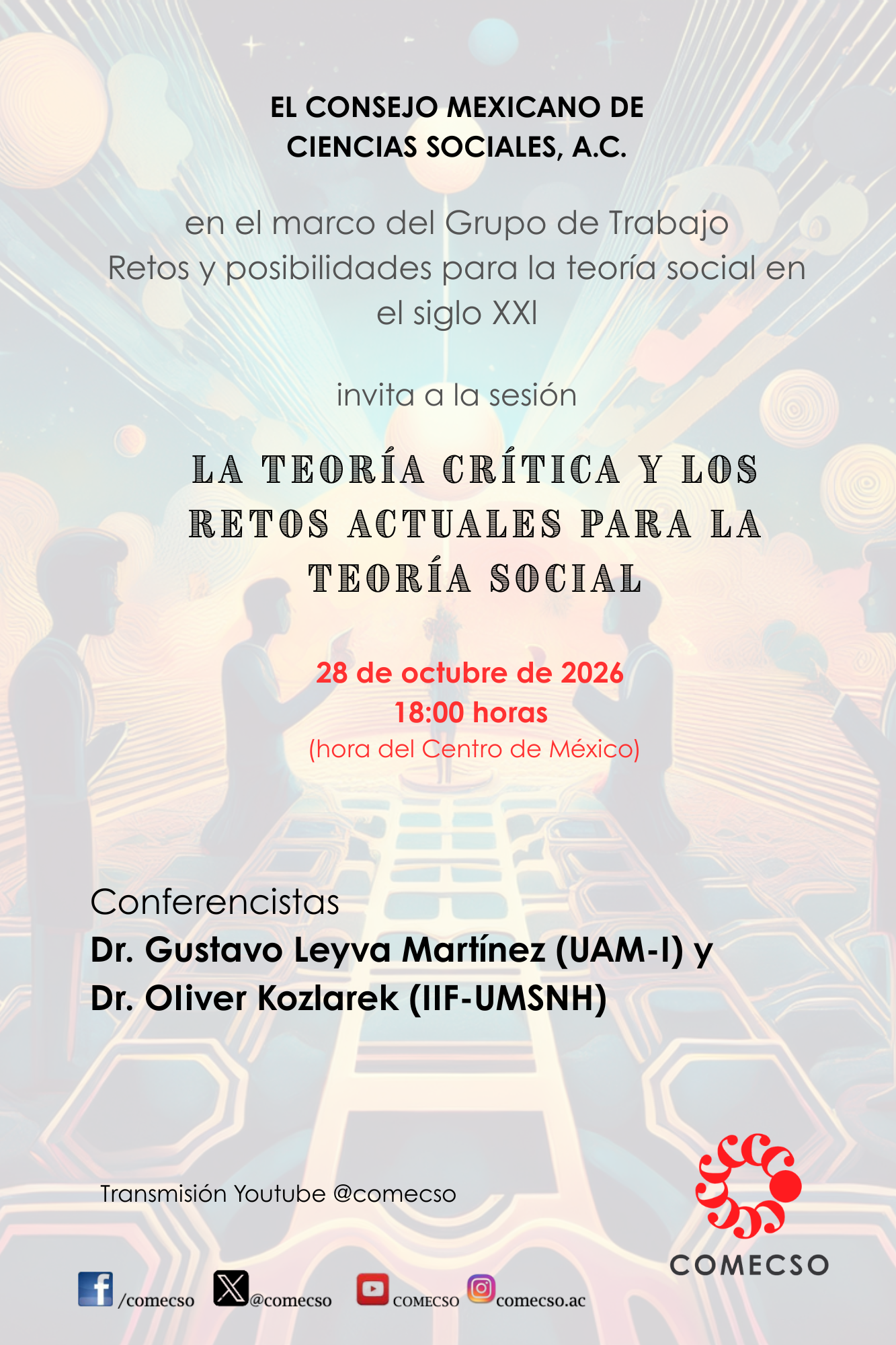
Conferencia La Teoría crítica y los retos actuales para la teoría social
Alejandra Valdés Teja - Oct 07, 2026El Grupo de Trabajo Retos y posibilidades para la teoría social en el siglo XXI invita a conferencia La Teoría crítica…
Talleres virtuales
Laura Gutiérrez - Sep 17, 2026Con el objetivo de transmitir conocimientos y desarrollar habilidades específicas que contribuyan a la práctica docente, la investigación, la innovación,…
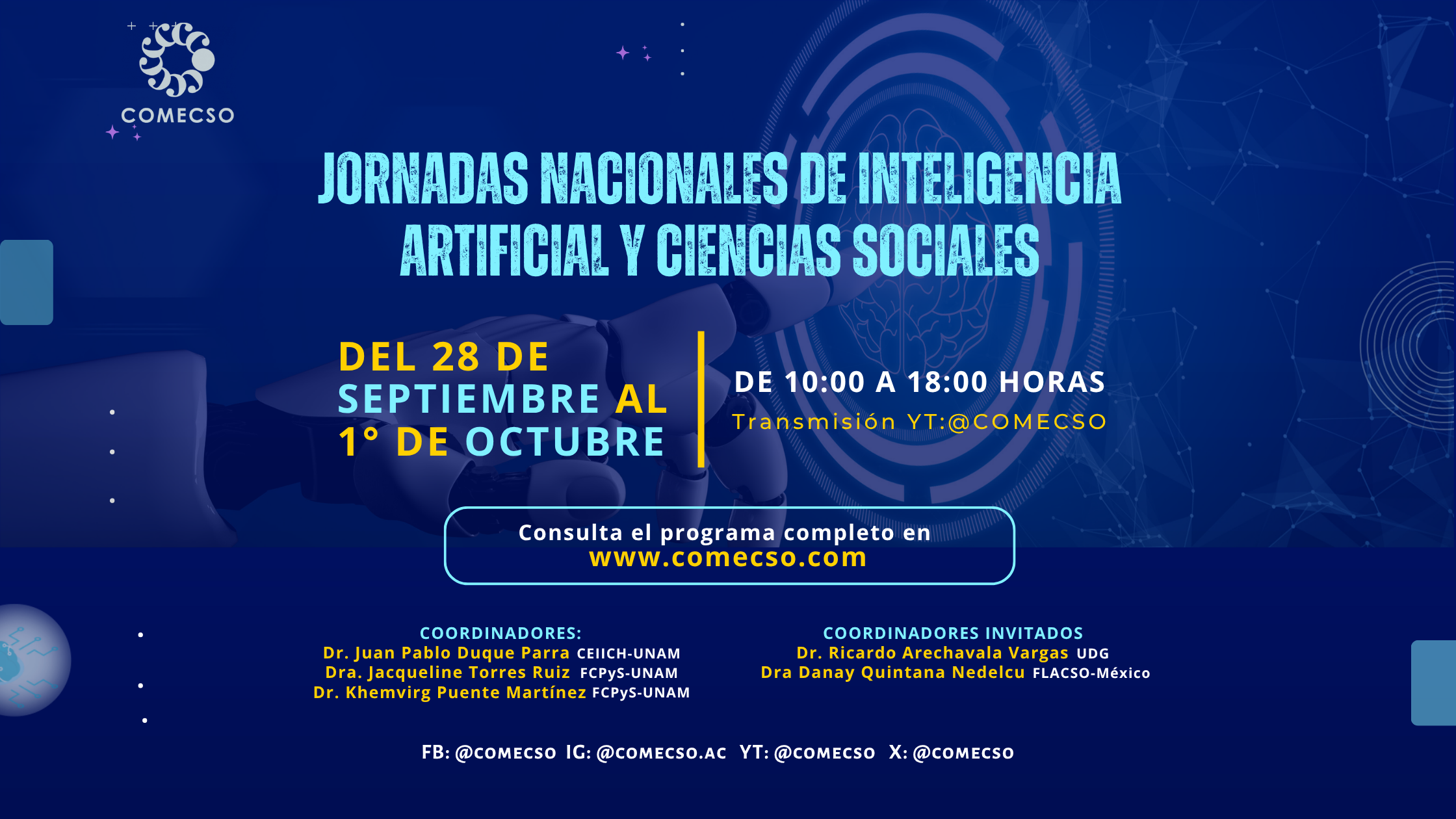
Horizontes de investigación sobre la Inteligencia Artificial desde las Ciencias Sociales
comecso - Sep 14, 2026Coords. Juan Pablo Duque, Khemvirg Puente y Jacqueline Torres-Ruiz Objetivos: Invitar a especialistas de todas las disciplinas de las Ciencias…
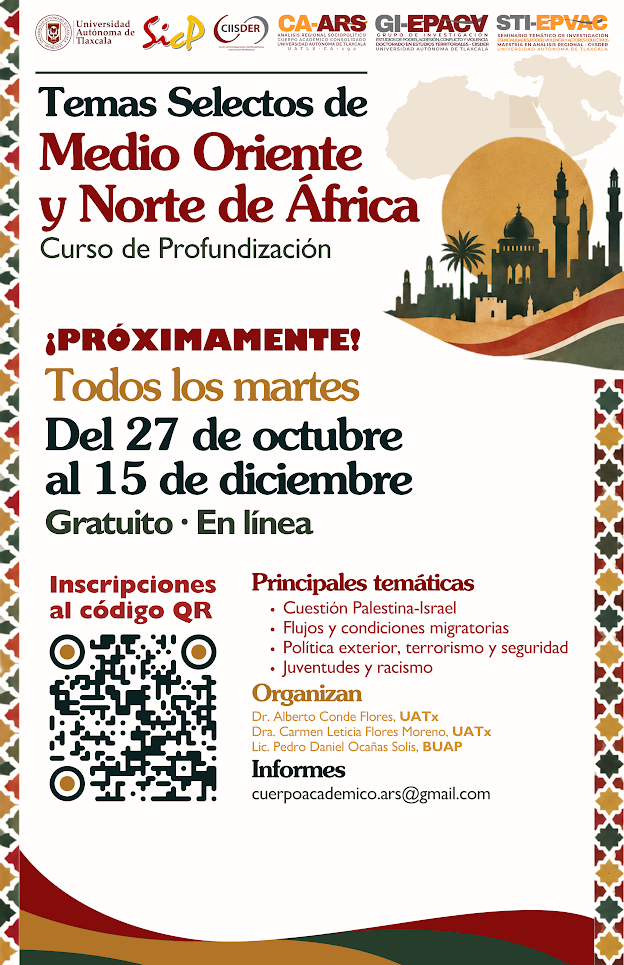
🌍 Temas selectos de Medio Oriente y Norte de África. Curso de profundización
Alejandra Valdés Teja - Oct 16, 2026El Cuerpo Académico Análisis Regional Sociopolítico (CIISDER-UATx) invita a este curso gratuito con especialistas de México, España y Emiratos Árabes…
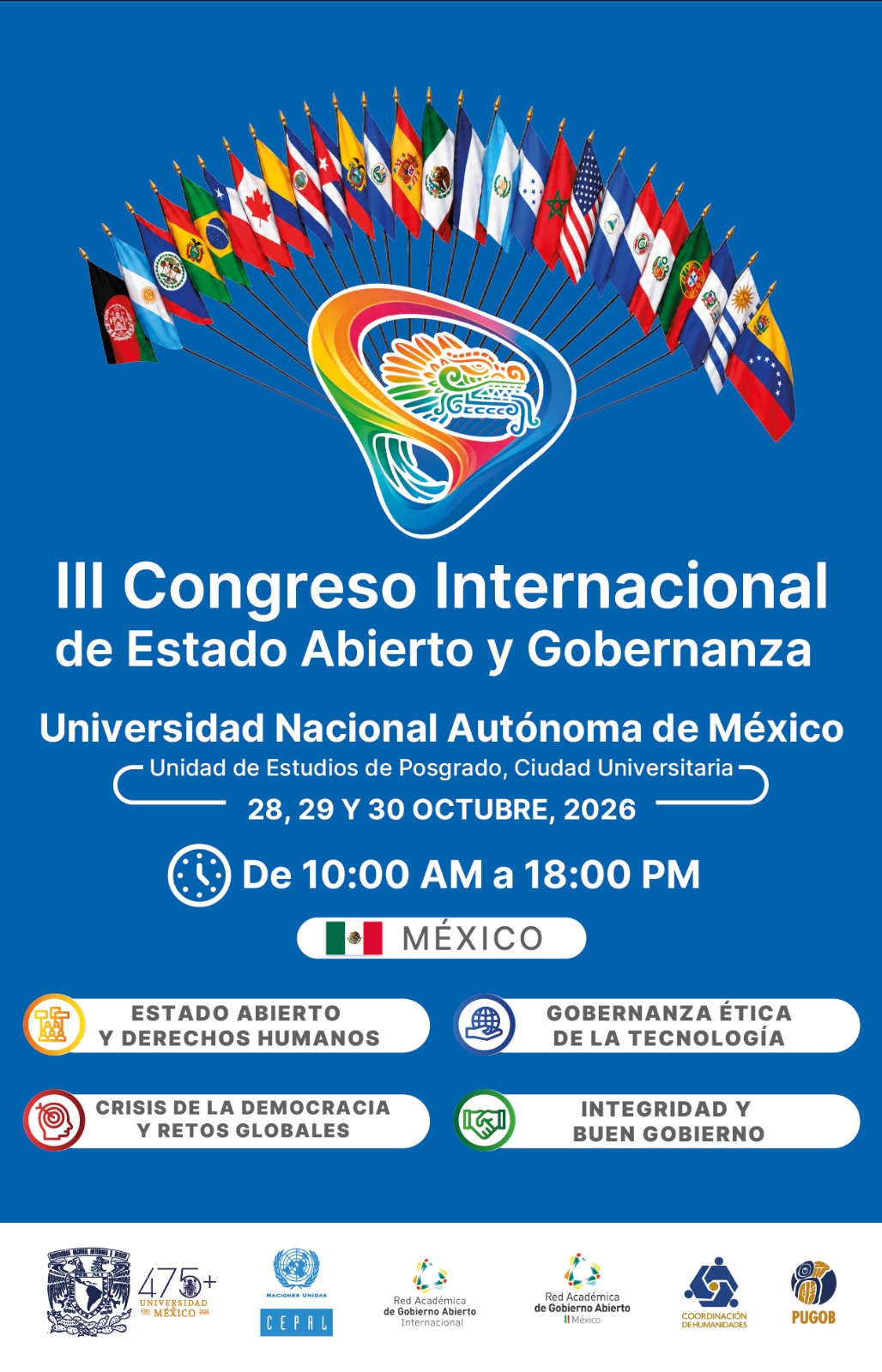
III Congreso internacional de Estado Abierto y Gobernanza
Alejandra Valdés Teja - Oct 16, 202628,29 y 30 de octubre de 10:00 a 18:00 horas. Unidad de Posgrado, Ciudad Universitaria.
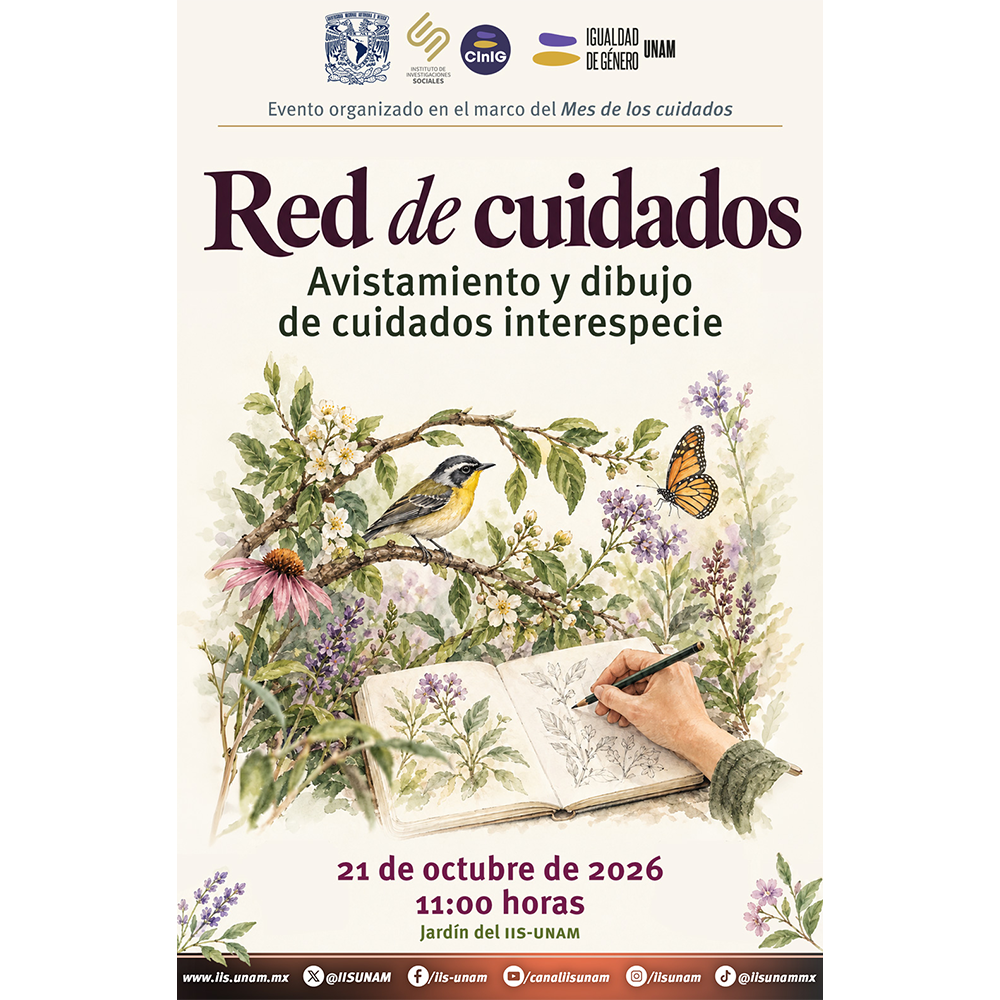
Red de cuidados. Avistamiento y dibujo de cuidados interespecie
Alejandra Valdés Teja - Oct 16, 2026Taller organizado en el marco del Mes de los cuidados Red de cuidados. Avistamiento y dibujo de cuidados interespecie 21 de…
Grupos de trabajo
Conferencia La Teoría crítica y los retos actuales para la teoría social
Alejandra Valdés Teja - Oct 07, 2026Horizontes de investigación sobre la Inteligencia Artificial desde las Ciencias Sociales
comecso - Sep 14, 2026Destacadas
El programa de Educación continua del COMECSO invita a sus talleres
Alejandra Valdés Teja - Oct 15, 2026Conferencia La Teoría crítica y los retos actuales para la teoría social
Alejandra Valdés Teja - Oct 07, 2026Horizontes de investigación sobre la Inteligencia Artificial desde las Ciencias Sociales
comecso - Sep 14, 2026🌍 Temas selectos de Medio Oriente y Norte de África. Curso de profundización
Alejandra Valdés Teja - Oct 16, 2026