Varieties of Democracy (V-Dem)

About V-Dem
Varieties of Democracy (V-Dem) is a new approach to conceptualizing and measuring democracy. We provide a multidimensional and disaggregated dataset that reflects the complexity of the concept of democracy as a system of rule that goes beyond the simple presence of elections. The V-Dem project distinguishes between seven high-level principles of democracy: electoral, liberal, participatory, deliberative, egalitarian, majoritarian and consensual, and collects data to measure these principles.
It is a collaboration among more than 50 scholars worldwide which is co-hosted by the Department of Political Science at the University of Gothenburg, Sweden; and the Kellogg Institute at the University of Notre Dame, USA. With four Principal Investigators (PIs), fifteen Project Managers (PMs) with special responsibility for issue areas, more than thirty Regional Managers (RMs), 170 Country Coordinators (CCs), Research Assistants, and 2,800 Country Experts (CEs), the V-Dem project is one of the largest social science data collection projects focusing on research.
Brief information about V-Dem can be found here: Varieties of Democracy Brief.
V-Dem Project released a new and even larger version of the democracy dataset, now covering 17 million data points on democracy and 177 countries in the world up to 2016.
V-Dem’s data is becoming the leading source of information on democracy used by scholars, as well as organizations, such as the World Bank, Transparency International, UNDP, European Commission, Mo Ibrahim Foundation, the Resource Governance Institute, International IDEA, as well as numerous NGOs around the world.
The dataset contains over 350 unique and disaggregated democracy indicators, more than 40 mid-level indices, and 5 high-level indices (electoral, liberal, participatory, deliberative and egalitarian democracy) from 1900 to 2016.
Overview of V-Dem Dataset V7:
- Dataset is available as Country-Year: V-Dem; Country-Year: V-Dem + other; Country-Date: V-Dem.
- 177 Countries covered
- New indices and indicators added in this version
- Dataset is free and available for download in the following formats: SPSS, STATA, STATA-IC, CSV and EXCEL


Te puede interesar
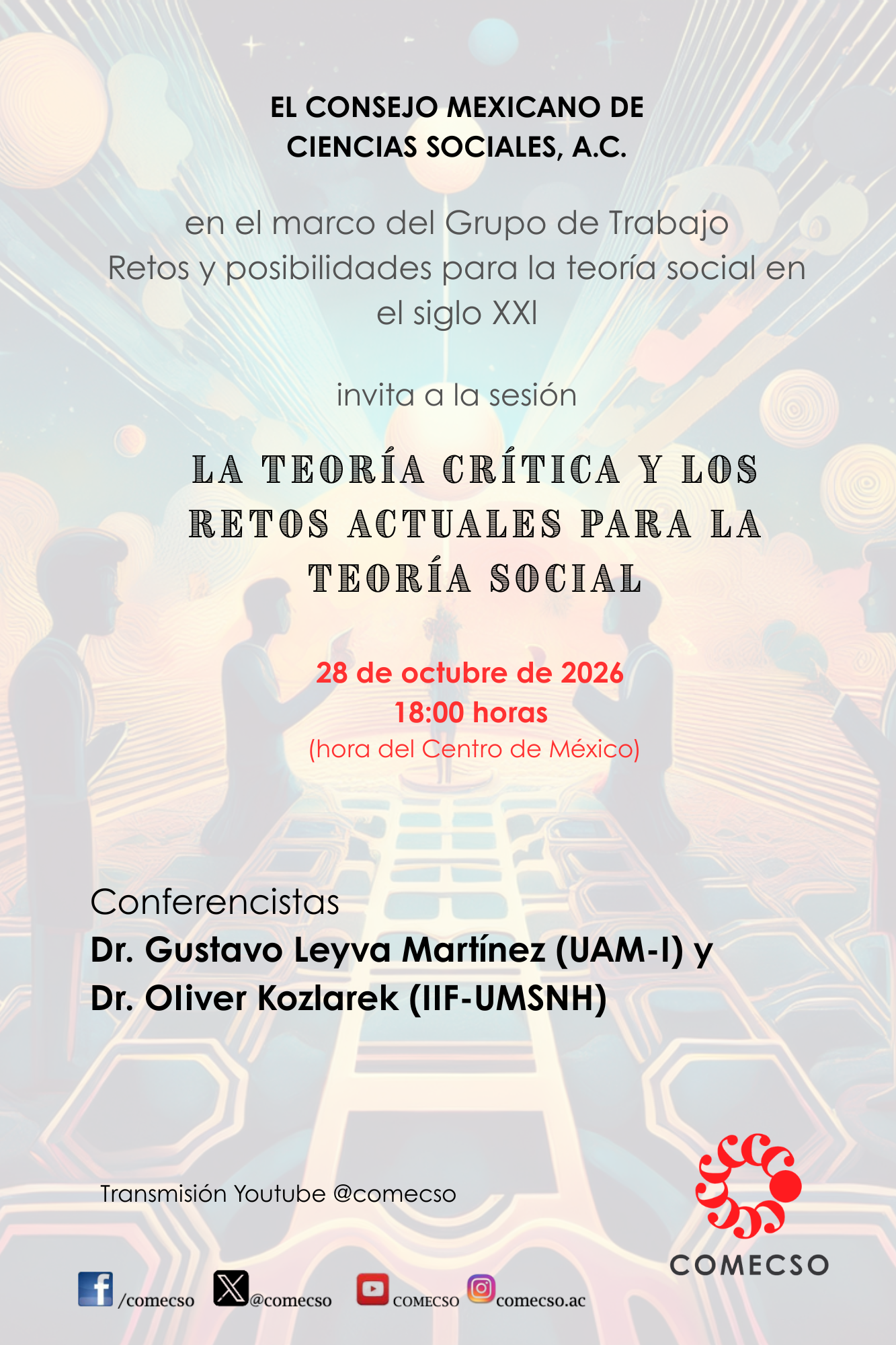
Conferencia La Teoría crítica y los retos actuales para la teoría social
Alejandra Valdés Teja - Oct 07, 2026El Grupo de Trabajo Retos y posibilidades para la teoría social en el siglo XXI invita a conferencia La Teoría crítica…

COMECSO felicita a la Dra. Gisela Zaremberg
Alejandra Valdés Teja - Oct 07, 2026
COMECSO felicita a la Dra. María Regina Martínez Casas
comecso - Sep 30, 2026
Talleres virtuales
Laura Gutiérrez - Sep 17, 2026Con el objetivo de transmitir conocimientos y desarrollar habilidades específicas que contribuyan a la práctica docente, la investigación, la innovación,…

Horizontes de investigación sobre la Inteligencia Artificial desde las Ciencias Sociales
comecso - Sep 14, 2026Coords. Juan Pablo Duque, Khemvirg Puente y Jacqueline Torres-Ruiz Objetivos: Invitar a especialistas de todas las disciplinas de las Ciencias…

Diplomado en Estudios sobre América del Norte
Alejandra Valdés Teja - Oct 08, 2026Nueva edición del Diplomado en Estudios sobre América del Norte que se llevará a cabo del 13 de febrero al…

BOLETÍN CIALC # 297
Alejandra Valdés Teja - Oct 08, 2026El Boletín CIALC de esta semana trata acerca del fascismo en América Latina. En los textos seleccionados se analizan temas como…
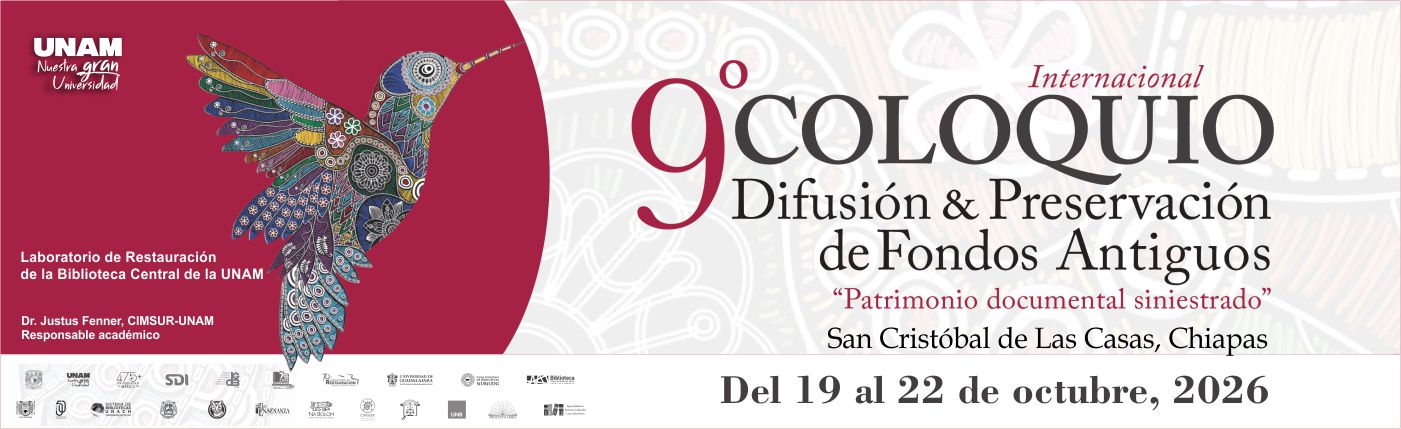
9o. Coloquio Difusión y Preservación de Fondos Antiguos «Patrimonio documental siniestrado».
Alejandra Valdés Teja - Oct 08, 2026Consulta el programa aquí
Grupos de trabajo
Conferencia La Teoría crítica y los retos actuales para la teoría social
Alejandra Valdés Teja - Oct 07, 2026Horizontes de investigación sobre la Inteligencia Artificial desde las Ciencias Sociales
comecso - Sep 14, 2026Destacadas
Conferencia La Teoría crítica y los retos actuales para la teoría social
Alejandra Valdés Teja - Oct 07, 2026Horizontes de investigación sobre la Inteligencia Artificial desde las Ciencias Sociales
comecso - Sep 14, 2026