Haitian Immigration to Brazil
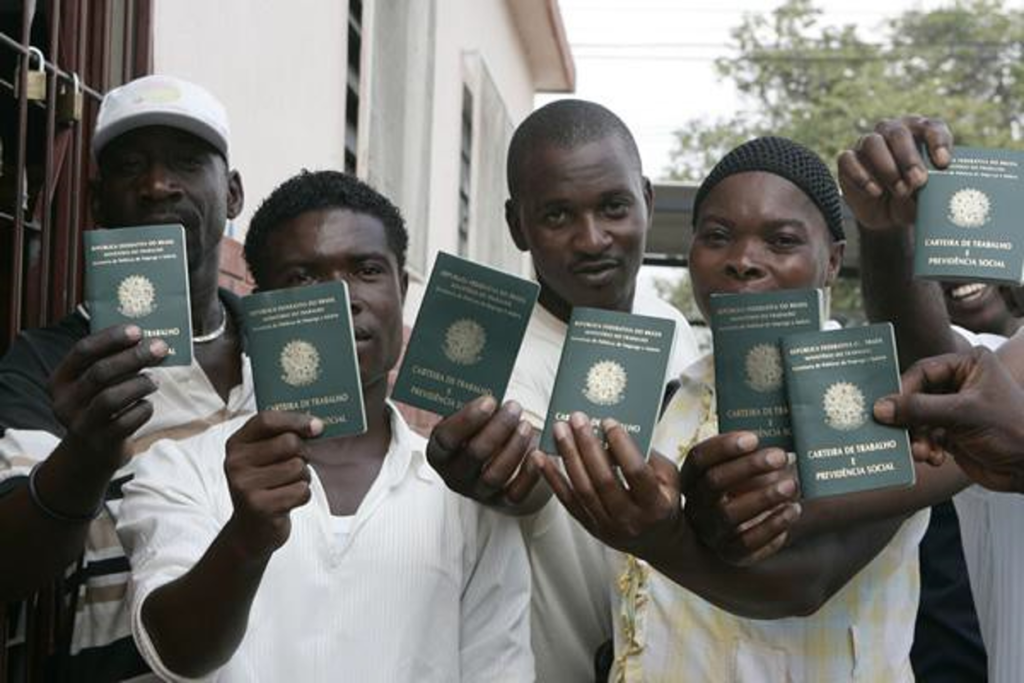

National Immigration Council
Haitian Immigration to Brazil
Brazil – Context of international migration
Great changes in recent years. Originaly, a country of immigrants. In the mid-1980s started a movement of emigration of Brazilians abroad. In 2007, three million Brazilians living abroad were estimated. Since 2008, after international crisis, a return process began and for the first time in years the immigration increased.
Haitian situation – Earthquake
In January 2010, Haiti was devastated by an earthquake. More than 200,000 people died. Brazil was coordinating the mission sent by the United Nations (MINUSTAH). Contact with military and civilian authorities and cultural exchange between countries, allowed closer ties between Brazil and Haiti and Haitians have identified Brazil as a destination country.
Refuge and immigration
Haitians came by airplane to Ecuador and Peru. After they made the long journey through the Amazon forest towards the Brazilian cities of Tabatinga, in Amazonas state, and Assis Brasil, in Acre state. Since have arrived in Brazil without a visa, Haitians presented themselves as refugees. Although the Haitian case did not fit in the 1951 UN Convention (ratified by Brazil), it could not be said the Haitian migration in the post-earthquake fit in a typical economic migration.
Brazilian government then proceeded to examine the situation of Haitians from two bodies that act respectively with the recognition of refugees, the National Committee for Refugees (CONARE), and the granting of specials residence visas to immigrants, the National Immigration Council (CNIg).
Although the Haitian case did not fit in the 1951 UN Convention dealing with the Status of Refugees (ratified by Brazil), it could not be said that the Haitian migration in the post-earthquake fit in a typical economic migration.
This situation was considered by Brazil as «humanitarian attention» and the solution found was the referral of cases from CONARE to CNIg.
CNIg is a collective body of which involve nine ministries, five Central Trade Unions, five Enterprise Confederations and a representative of the scientific community and has a mandate to build the Brazilian policy on immigration. CNIg considered that the situation of Haitians deserve humanitarian attention and decided by the granting of special visas for them.


Te puede interesar
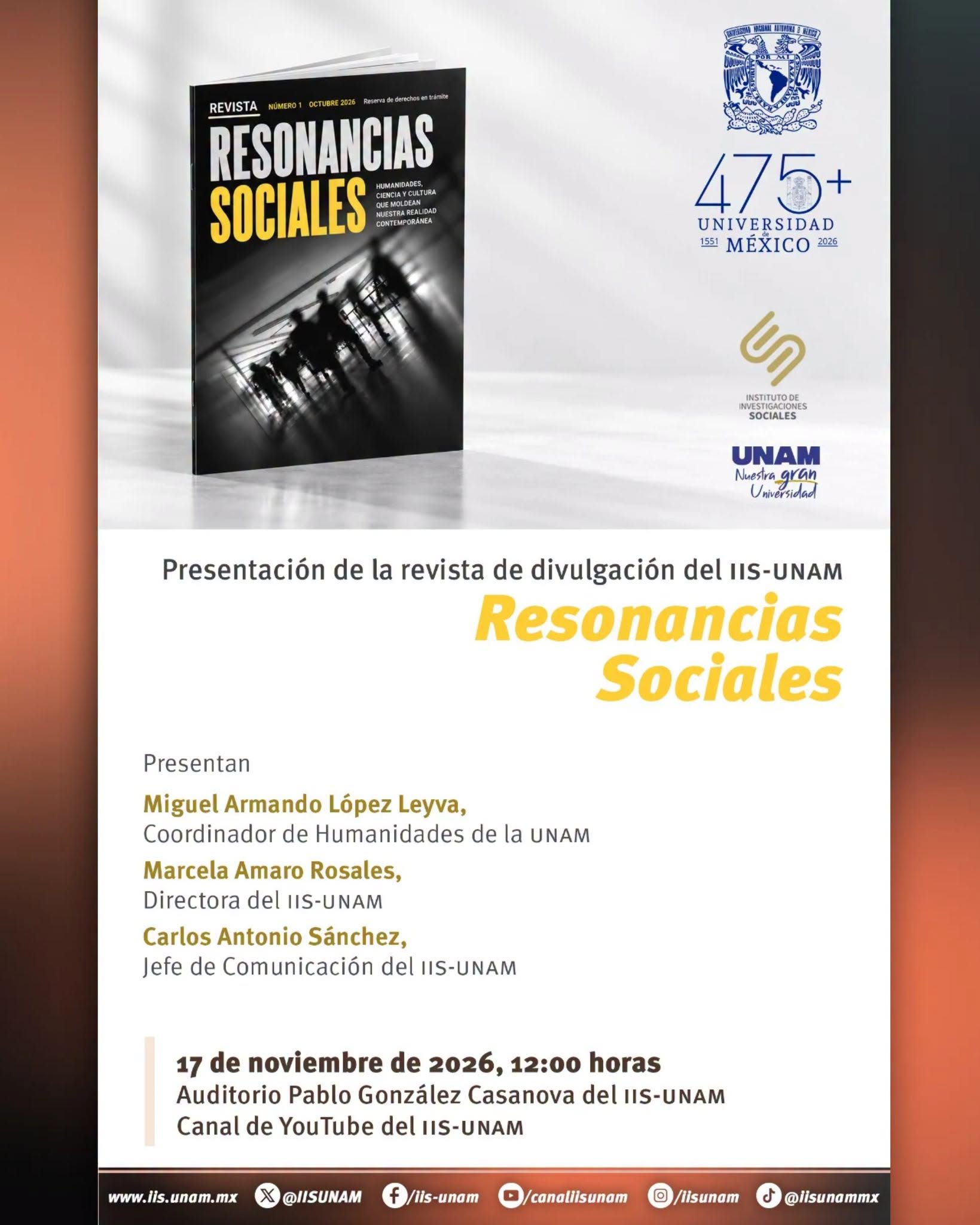
presentación de Resonancias Sociales, revista de divulgación del Instituto de Investigaciones Sociales de la UNAM
comecso.merida - Oct 21, 2026El COMECSO invita a la presentación de Resonancias Sociales, revista de divulgación del Instituto de Investigaciones Sociales de la UNAM:…
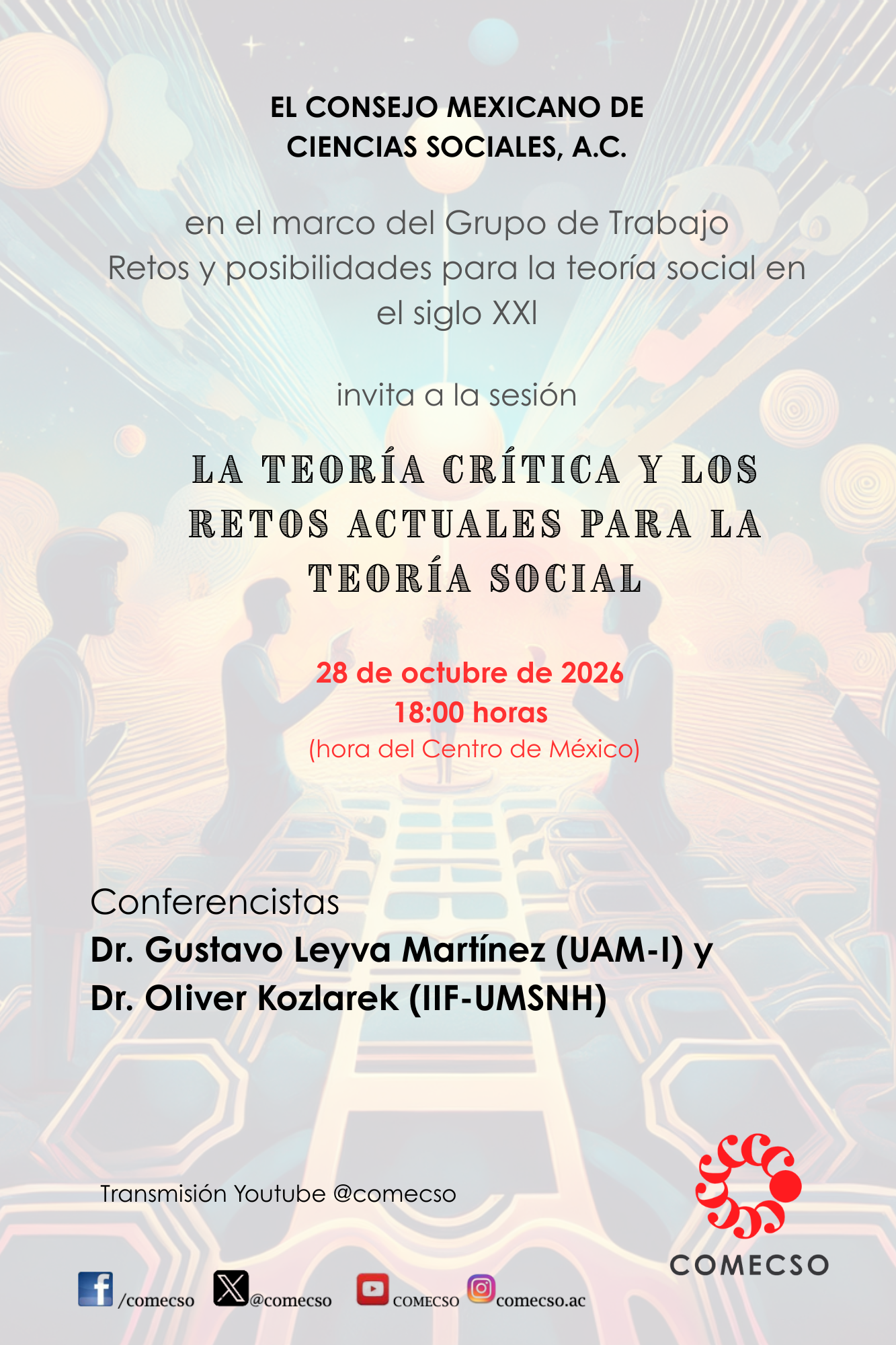
Conferencia La Teoría crítica y los retos actuales para la teoría social
comecso.merida - Oct 07, 2026El Grupo de Trabajo Retos y posibilidades para la teoría social en el siglo XXI invita a conferencia La Teoría crítica…
Talleres virtuales
Laura Gutiérrez - Sep 17, 2026Con el objetivo de transmitir conocimientos y desarrollar habilidades específicas que contribuyan a la práctica docente, la investigación, la innovación,…

Convocatoria abierta: dossier «Turismo comunitario, investigación aplicada e incidencia social» de Sekkan. Revista de Ciencias Sociales y Humanidades
comecso.merida - Oct 26, 2026Convocatoria abierta: dossier «Turismo comunitario, investigación aplicada e incidencia social» de Sekkan. Revista de Ciencias Sociales y Humanidades Sekkan, revista…

Cartelera de actividades del CIALC correspondiente la semana del 26 al 30 de octubre.
comecso.merida - Oct 26, 2026
Grupos de trabajo

Conferencia magistral «Etnografías móviles, relacionales y situadas: Hacia nuevas formas de comprender el habitar futuro en territorios complejos»
comecso.merida - Oct 19, 2026Conferencia La Teoría crítica y los retos actuales para la teoría social
comecso.merida - Oct 07, 2026Destacadas
presentación de Resonancias Sociales, revista de divulgación del Instituto de Investigaciones Sociales de la UNAM
comecso.merida - Oct 21, 2026Conferencia La Teoría crítica y los retos actuales para la teoría social
comecso.merida - Oct 07, 2026