Collective Violence, Contentious Politics, and Social Change
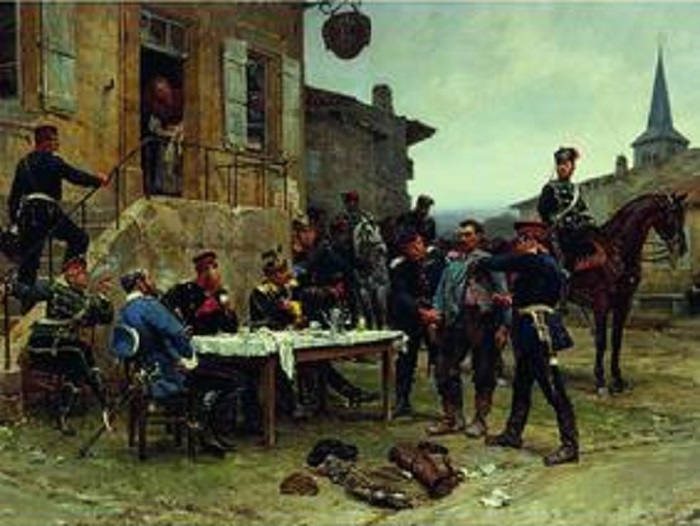

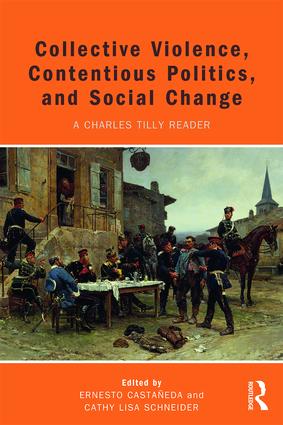
Collective Violence, Contentious Politics, and Social Change
Charles Tilly is among the most influential American sociologists of the last century. For the first time, his pathbreaking work on a wide array of topics is available in one comprehensive reader. This manageable and readable volume brings together many highlights of Tilly’s large and important oeuvre, covering his contribution to the following areas: revolutions and social change; war, state making, and organized crime; democratization; durable inequality; political violence; migration, race, and ethnicity; narratives and explanations.
The book connects Tilly’s work on large-scale social processes such as nation-building and war to his work on micro processes such as racial and gender discrimination. It includes selections from some of Tilly’s earliest, influential, and out of print writings, including The Vendée; Coercion, Capital and European States; the classic «War Making and State Makingas Organized Crime;» and his more recent and lesser-known work, including that on durable inequality, democracy, poverty, economic development, and migration. Together, the collection reveals Tilly’s complex, compelling, and distinctive vision and helps place the contentious politics approach Tilly pioneered with Sidney Tarrow and Doug McAdam into broader context. The editors abridge key texts and, in their introductory essay, situate themwithin Tilly’s larger opus and contemporary intellectual debates. The chapters serve as guideposts for those who wish to study his work in greater depth or use his methodology to examine the pressing issues of our time. Readtogether, they provide a road map of Tilly’s work and his contribution to the fields of sociology, political science, history, and international studies. This book belongs in the classroom and in the library of social scientists, political analysts, cultural critics, and activists.
Table of Contents
I. Revolutions and Social Change
1. The Vendeé
2. Strikes in France 1830-1968
3. Does Modernization Breed Revolution?
4. From Mobilization to Revolution
5. Contentious Performances
6. Eight Pernicious Postulates
II. State Making
7. War Making and State Making as Organized Crime
8. Coercion, Capital, and European States, A.D. 990-1990
III. Democratization
9. Democracy as a Lake
10. Where Do Rights Come from?
11. Democracy
12. Trust and Rule
IV. Durable Inequality
13. Durable Inequality
14. Moving Out of Poverty
V. Political Violence.
15. Contentious Conversation
16. The Politics of Collective Violence
17. Terror, Terrorism, Terrorists
VI. Migration and Race and Ethnicity
18. Transplanted Networks
19. Social Boundary Mechanisms
20. From Segregation to Integration
VII. Narratives and Explanations
21. Why Give Reasons
22. Credit, Blame and Social Life
[Texto tomado de Routledge Taylor & Francis Group]

Te puede interesar

El programa de Educación continua del COMECSO invita a sus talleres
Alejandra Valdés Teja - Oct 15, 2026Cartografía social-pedagógica: producir conocimiento y repensar el territorio desde la educación Imparte: Laura Eugenia Alejandri Rábago Descripción Este taller ofrece…
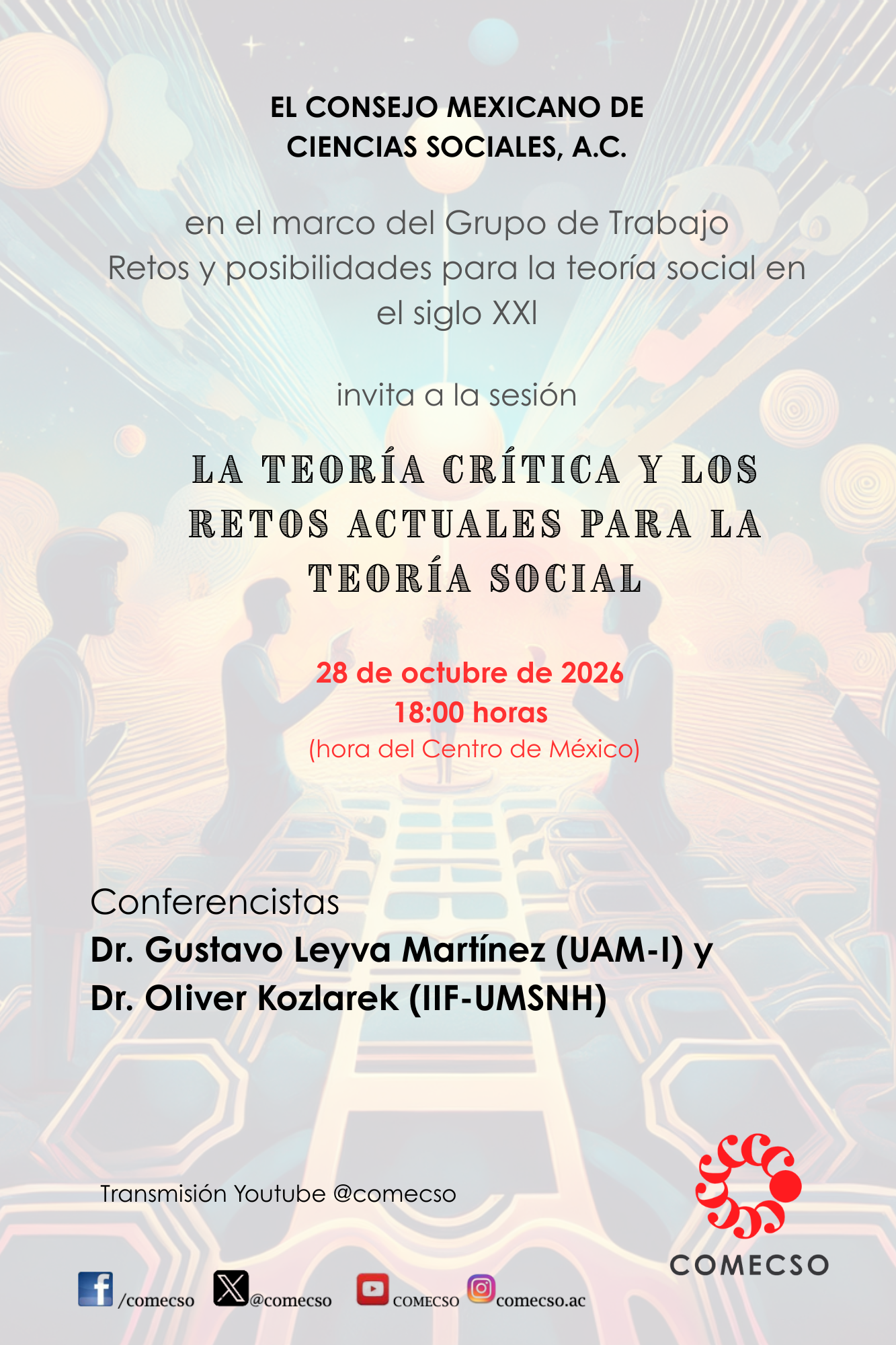
Conferencia La Teoría crítica y los retos actuales para la teoría social
Alejandra Valdés Teja - Oct 07, 2026El Grupo de Trabajo Retos y posibilidades para la teoría social en el siglo XXI invita a conferencia La Teoría crítica…
Talleres virtuales
Laura Gutiérrez - Sep 17, 2026Con el objetivo de transmitir conocimientos y desarrollar habilidades específicas que contribuyan a la práctica docente, la investigación, la innovación,…
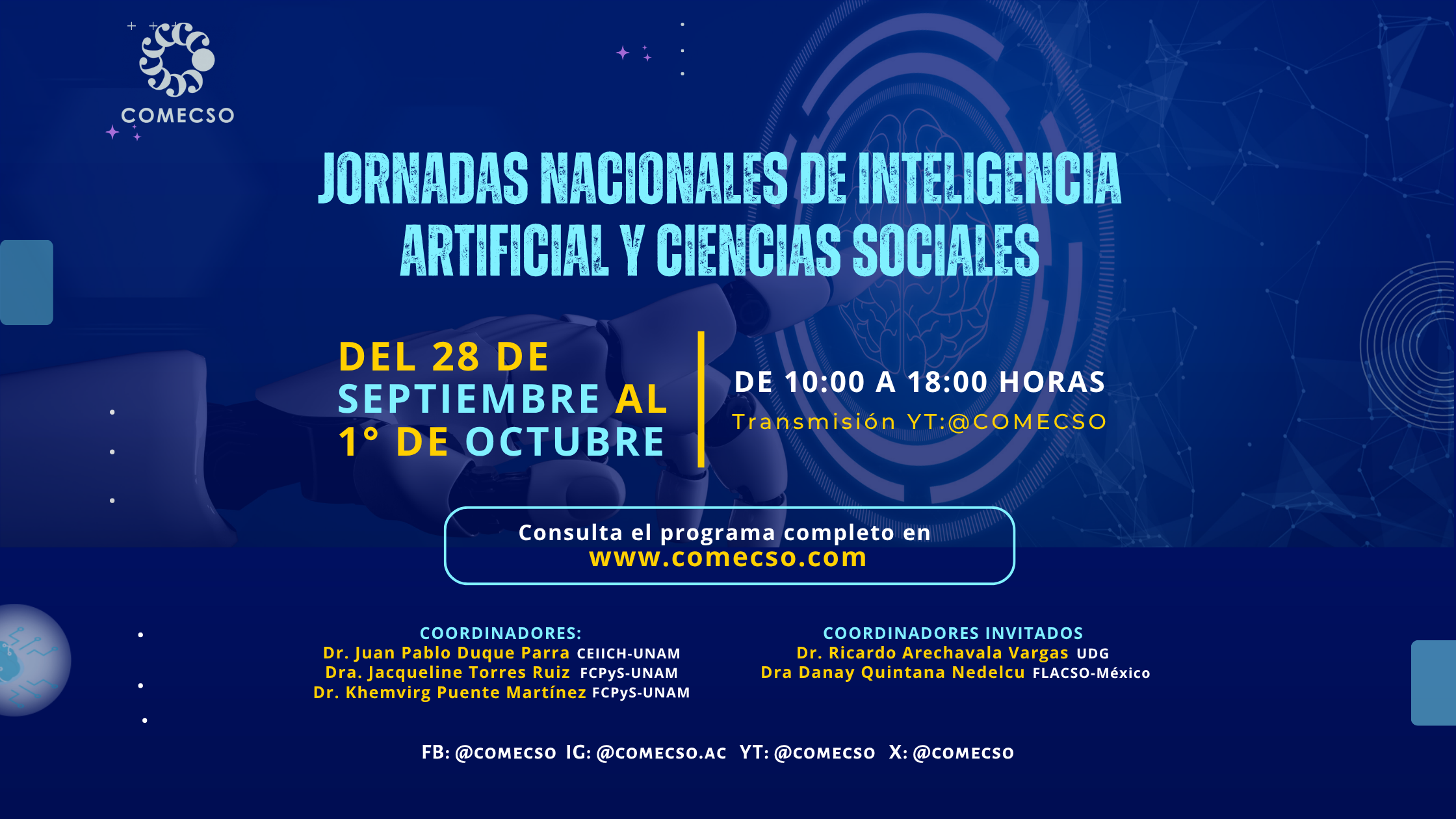
Horizontes de investigación sobre la Inteligencia Artificial desde las Ciencias Sociales
comecso - Sep 14, 2026Coords. Juan Pablo Duque, Khemvirg Puente y Jacqueline Torres-Ruiz Objetivos: Invitar a especialistas de todas las disciplinas de las Ciencias…
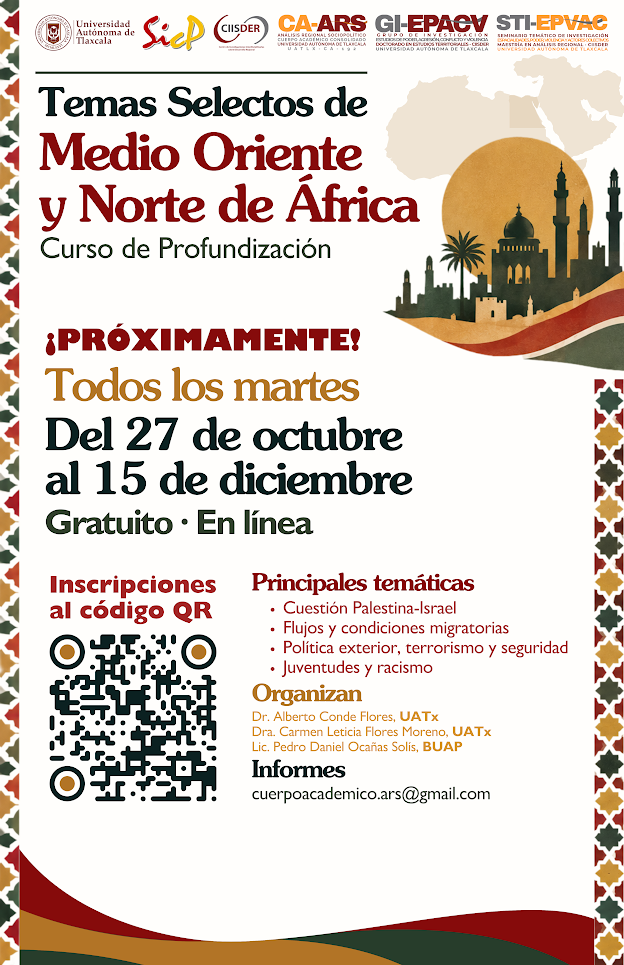
🌍 Temas selectos de Medio Oriente y Norte de África. Curso de profundización
Alejandra Valdés Teja - Oct 16, 2026El Cuerpo Académico Análisis Regional Sociopolítico (CIISDER-UATx) invita a este curso gratuito con especialistas de México, España y Emiratos Árabes…
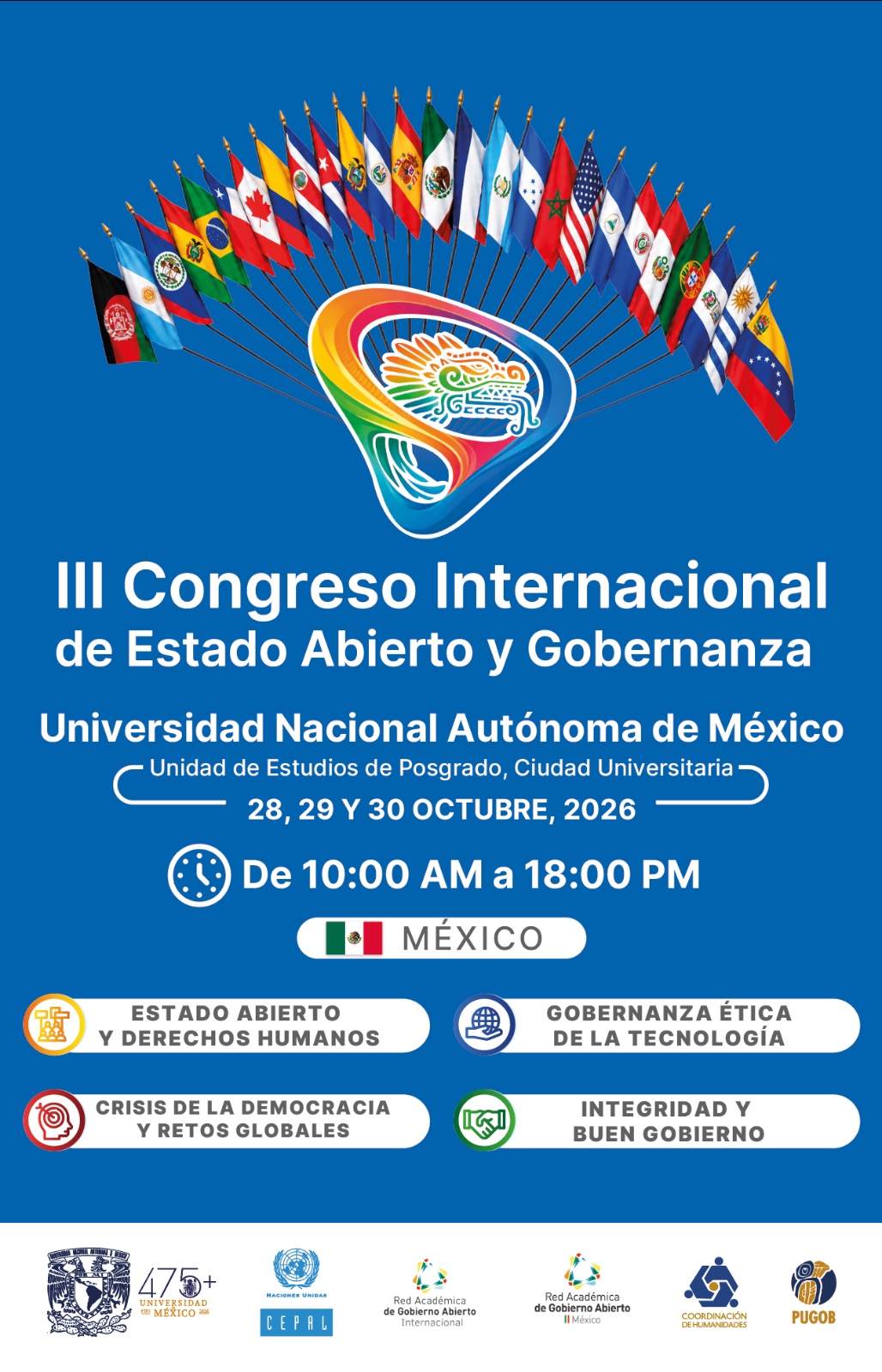
III Congreso internacional de Estado Abierto y Gobernanza
Alejandra Valdés Teja - Oct 16, 202628,29 y 30 de octubre de 10:00 a 18:00 horas. Unidad de Posgrado, Ciudad Universitaria.
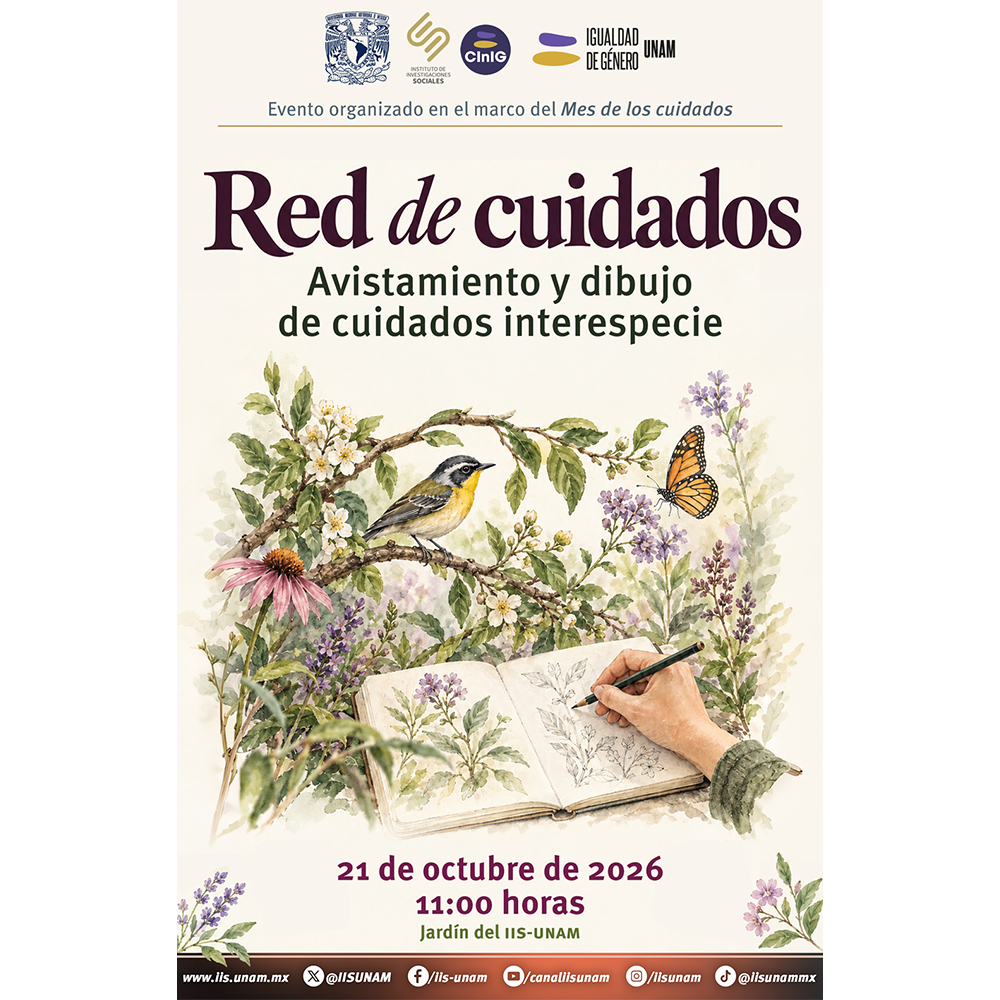
Red de cuidados. Avistamiento y dibujo de cuidados interespecie
Alejandra Valdés Teja - Oct 16, 2026Taller organizado en el marco del Mes de los cuidados Red de cuidados. Avistamiento y dibujo de cuidados interespecie 21 de…
Grupos de trabajo
Conferencia La Teoría crítica y los retos actuales para la teoría social
Alejandra Valdés Teja - Oct 07, 2026Horizontes de investigación sobre la Inteligencia Artificial desde las Ciencias Sociales
comecso - Sep 14, 2026Destacadas
El programa de Educación continua del COMECSO invita a sus talleres
Alejandra Valdés Teja - Oct 15, 2026Conferencia La Teoría crítica y los retos actuales para la teoría social
Alejandra Valdés Teja - Oct 07, 2026Horizontes de investigación sobre la Inteligencia Artificial desde las Ciencias Sociales
comecso - Sep 14, 2026🌍 Temas selectos de Medio Oriente y Norte de África. Curso de profundización
Alejandra Valdés Teja - Oct 16, 2026