The Bersih Movement and Democratisation in Malaysia
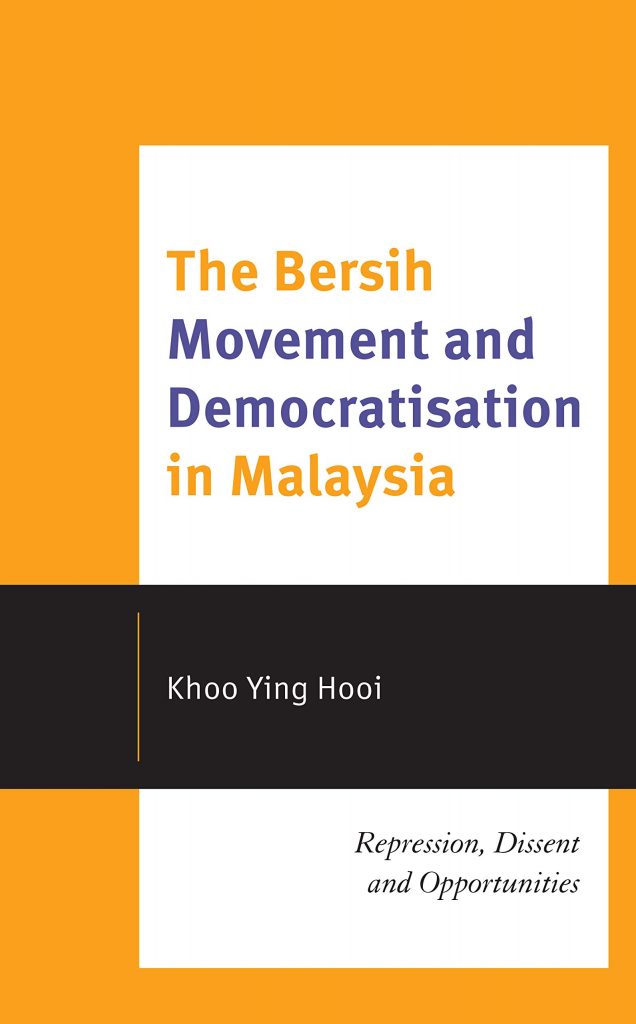

The Bersih Movement and Democratisation in Malaysia
Repression, Dissent and Opportunities
Author
Khoo Ying Hooi is deputy head and senior lecturer in the Department of International and Strategic Studies at the University of Malaya.
Chapter 1: Introduction
Chapter 2: Social Movements and Democratisation: Concepts and Linkages
Chapter 3: The Political Landscape in Malaysia
Chapter 4: The Bersih Movement and Electoral Reforms
Chapter 5: Changing Political Opportunities and the Democratisation Process
Chapter 6: Activism, Participation and Mobilisation
Chapter 7: The Aftermath of the 14th General Election and the Bersih Movement: Between Institutionalisation and Co-optation
Reviews
Though vast, the literatures on democratisation and social movements rarely speak to each other. And while the study of democratisation has logically focused on non-democratic countries, the study of social movements has been biased toward empirical work in western democracies. That’s what makes The Bersih Movement and Democratisation in Malaysia such a welcome addition to both literatures. For starters, Khoo Ying Hooi situates her account of democratisation in Malaysia at the intersection of these two fields. And in doing so, she also gives us an especially rich application of social movement theory to a non-Western, non-democratic country. This is a must-read for scholars of social movements and democratisation alike.
— Doug McAdam, Stanford University
The Bersih Movement and Democratisation in Malaysia: Repression, Dissent, and Opportunities gives a long overdue recognition to the power of collective actions by the Malaysian people’s movement that was catalysed by BERSIH 2.0. The author, Khoo Ying Hooi, has skilfully captured how the opportunities and challenges in the country gave credence for BERSIH 2.0 to come together in a sustained and organised manner to counter a repressive, non-democratic system. This book touches on critical issues, such as corruption, electoral fraud and abuse of powers, and links the peoples’ power to a peaceful and democratic electoral change in government. This book is well-written and well-argued.
— Maria Chin Abdullah, member of parliament for Petaling Jaya, former BERSIH 2.0 Chair
Drawing on original interviews and a wide variety of other sources, Khoo Ying Hooi provides extensive detail on many aspects of the Bersih movement for democracy in Malaysia and brings the movement into dialogue with US and European theories of democratization, civil society, and social movements. The book adds an important case to the literature.
— Pamela Oliver, professor emerita, University of Wisconsin
Published by Lexington Books (Rowman & Littlefield), Jan 2021. Details are here, https://rowman.com/isbn/


Te puede interesar

El programa de Educación continua del COMECSO invita a sus talleres
Alejandra Valdés Teja - Oct 15, 2026Cartografía social-pedagógica: producir conocimiento y repensar el territorio desde la educación Imparte: Laura Eugenia Alejandri Rábago Descripción Este taller ofrece…
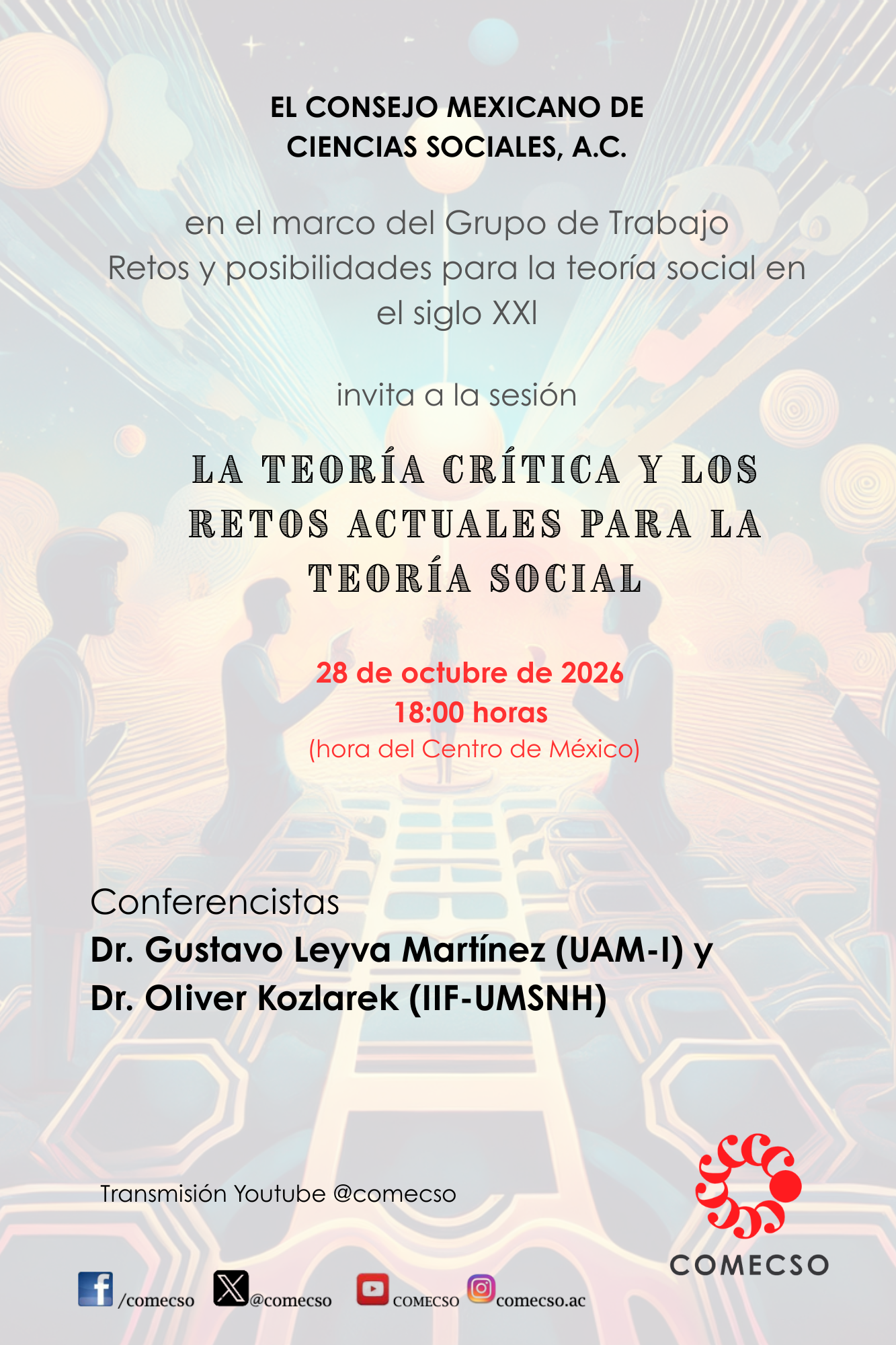
Conferencia La Teoría crítica y los retos actuales para la teoría social
Alejandra Valdés Teja - Oct 07, 2026El Grupo de Trabajo Retos y posibilidades para la teoría social en el siglo XXI invita a conferencia La Teoría crítica…
Talleres virtuales
Laura Gutiérrez - Sep 17, 2026Con el objetivo de transmitir conocimientos y desarrollar habilidades específicas que contribuyan a la práctica docente, la investigación, la innovación,…
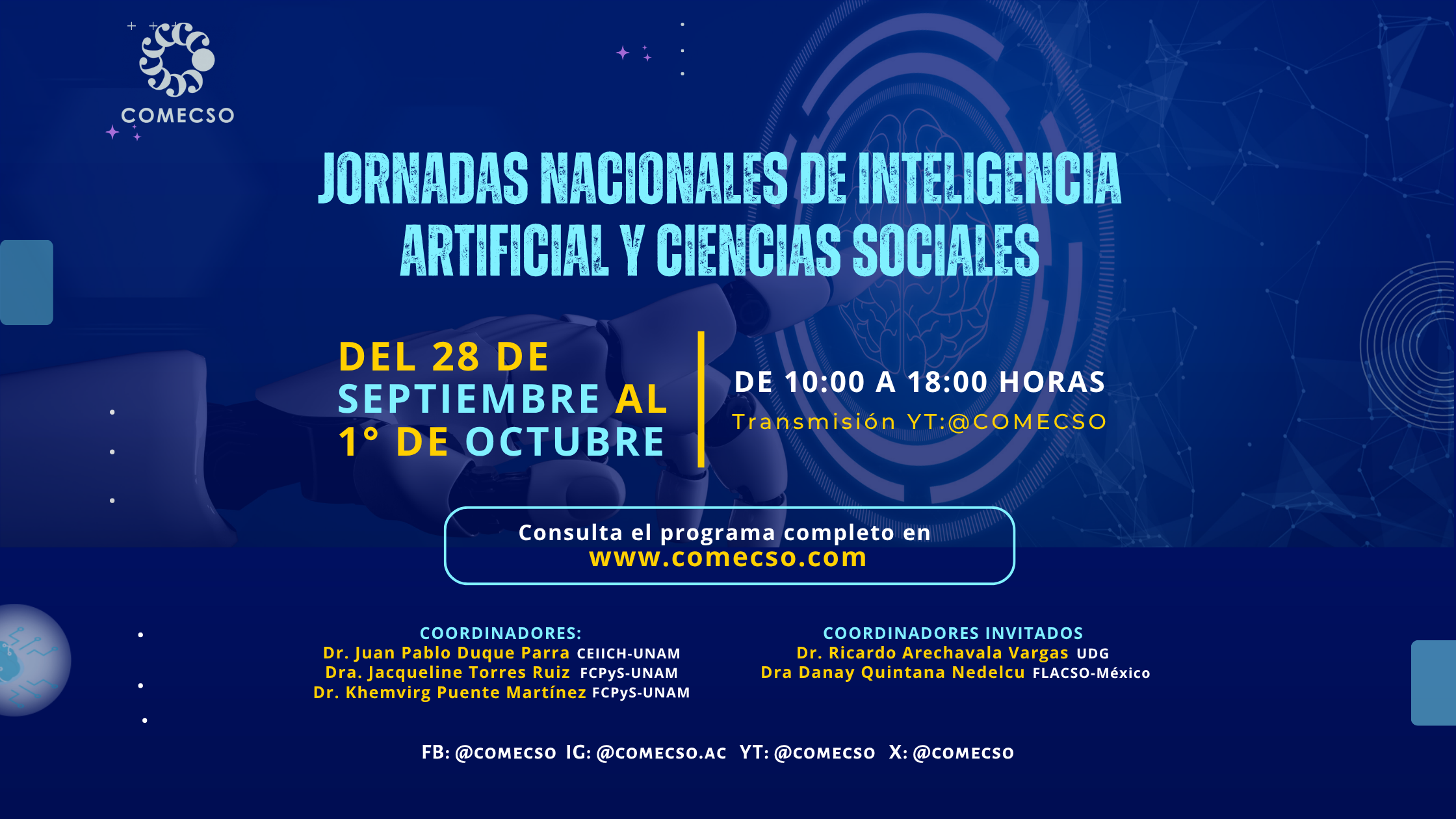
Horizontes de investigación sobre la Inteligencia Artificial desde las Ciencias Sociales
comecso - Sep 14, 2026Coords. Juan Pablo Duque, Khemvirg Puente y Jacqueline Torres-Ruiz Objetivos: Invitar a especialistas de todas las disciplinas de las Ciencias…
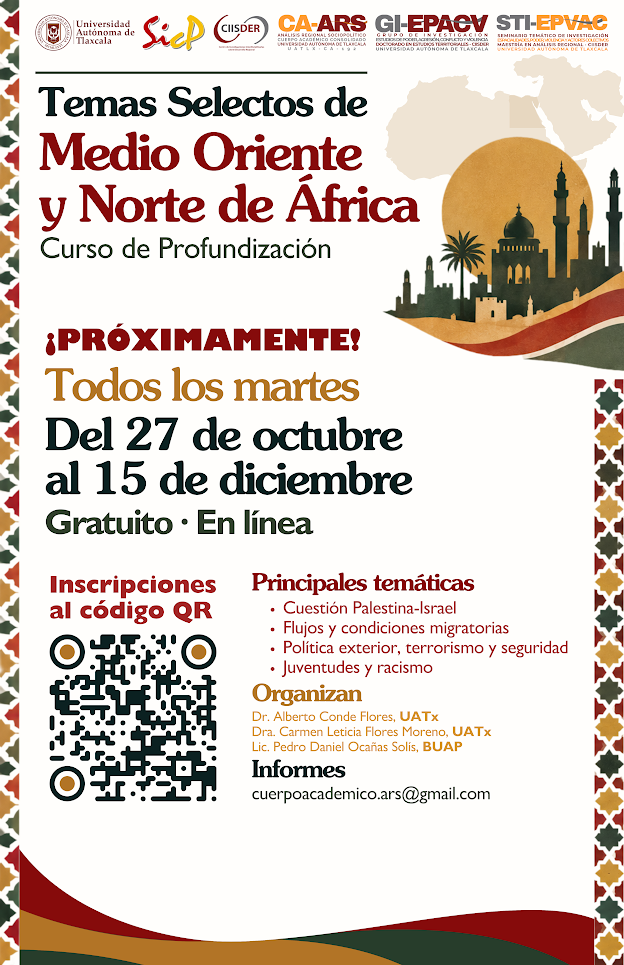
🌍 Temas selectos de Medio Oriente y Norte de África. Curso de profundización
Alejandra Valdés Teja - Oct 16, 2026El Cuerpo Académico Análisis Regional Sociopolítico (CIISDER-UATx) invita a este curso gratuito con especialistas de México, España y Emiratos Árabes…
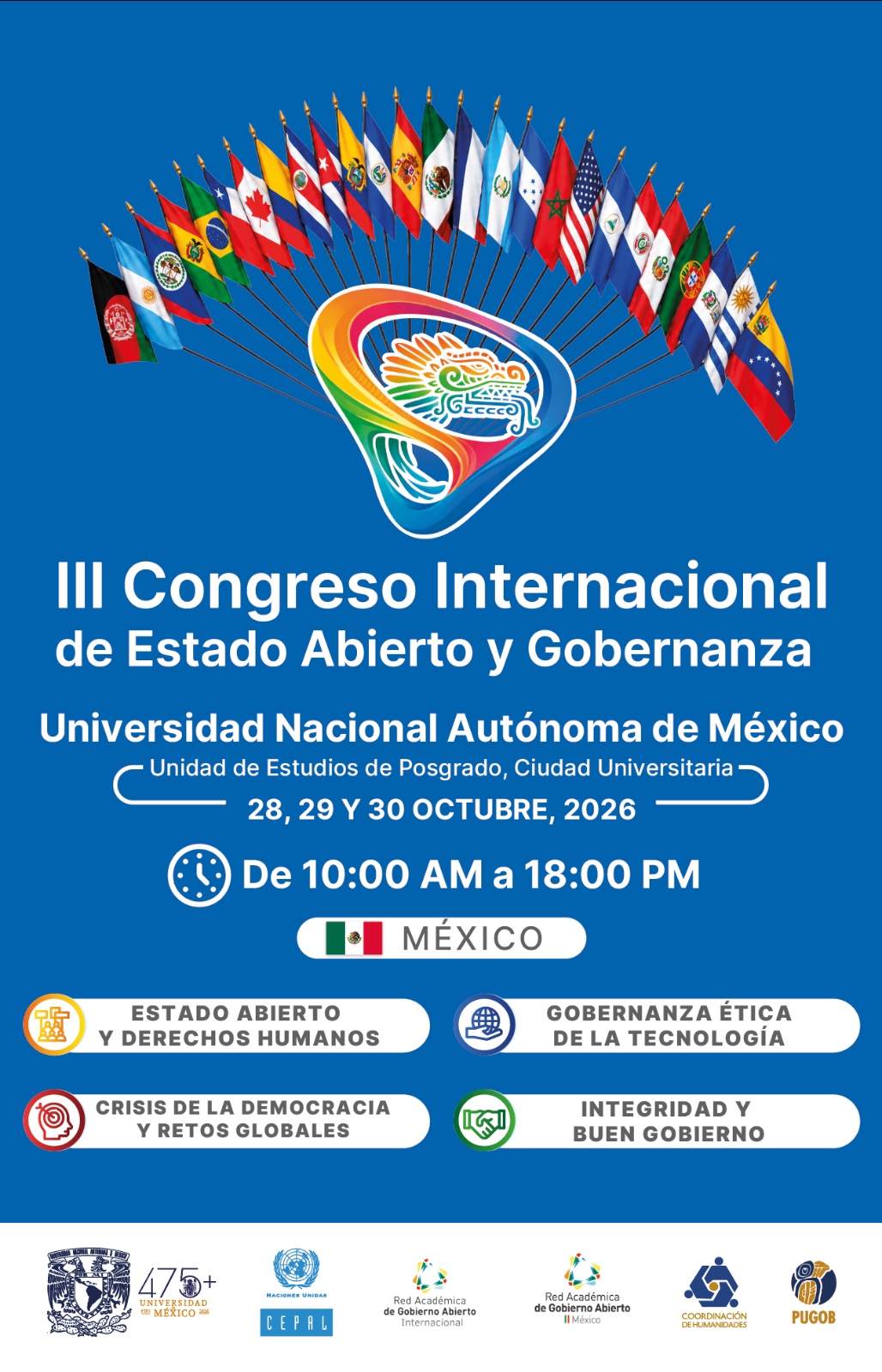
III Congreso internacional de Estado Abierto y Gobernanza
Alejandra Valdés Teja - Oct 16, 202628,29 y 30 de octubre de 10:00 a 18:00 horas. Unidad de Posgrado, Ciudad Universitaria.
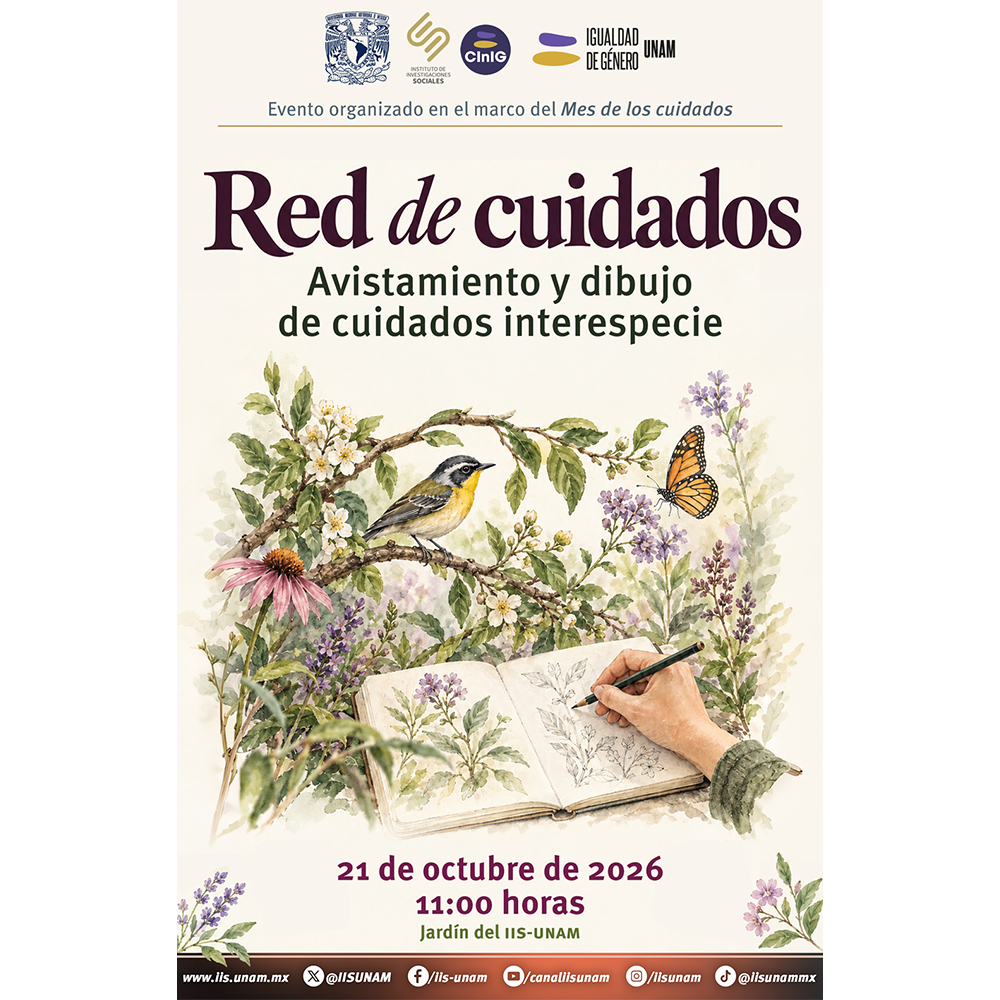
Red de cuidados. Avistamiento y dibujo de cuidados interespecie
Alejandra Valdés Teja - Oct 16, 2026Taller organizado en el marco del Mes de los cuidados Red de cuidados. Avistamiento y dibujo de cuidados interespecie 21 de…
Grupos de trabajo
Conferencia La Teoría crítica y los retos actuales para la teoría social
Alejandra Valdés Teja - Oct 07, 2026Horizontes de investigación sobre la Inteligencia Artificial desde las Ciencias Sociales
comecso - Sep 14, 2026Destacadas
El programa de Educación continua del COMECSO invita a sus talleres
Alejandra Valdés Teja - Oct 15, 2026Conferencia La Teoría crítica y los retos actuales para la teoría social
Alejandra Valdés Teja - Oct 07, 2026Horizontes de investigación sobre la Inteligencia Artificial desde las Ciencias Sociales
comecso - Sep 14, 2026🌍 Temas selectos de Medio Oriente y Norte de África. Curso de profundización
Alejandra Valdés Teja - Oct 16, 2026