Social Movements and Covid-19: Dynamics, challenges and strategies

Social Movement Studies
Special Issue Editor(s): Priska Daphi, Bielefeld University, Germany; Cristina Flesher Fominaya, Loughborough University, UK; Gemma Edwards, University of Manchester, UK
Social Movements and Covid-19: Dynamics, challenges and strategies
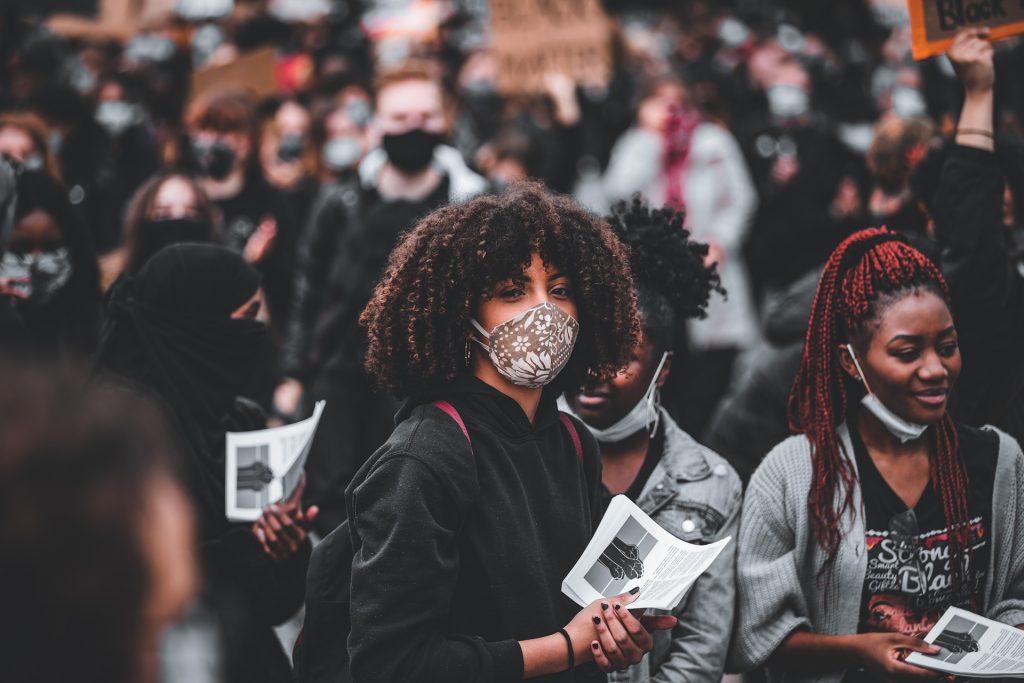
Covid-19 is affecting many dimensions of social and political life. The pandemic and its political and social consequences present challenges to social movements in various ways. Lockdowns and restrictions have complicated many prominent forms of mobilization – such as street protests. While such challenges may lead to demobilization in some cases, in other cases they seem to be giving way to new forms of organization and mobilization as in the case of online protests. Furthermore, the physical distancing complicates prevalent forms of organization, framing and identity building in several ways.
At the same time, the pandemic gives rise to various new protest coalitions and activist networks. Covid-19 and its consequences also confront many movements with the challenge to reformulate their issue-focus, their framing and central addressees as new concerns and urgencies forcefully emerge in the context of the pandemic. Therefore, while the pandemic poses significant challenges to movements, like all crises, it also opens up new opportunities to reframe longer standing issues, such as austerity, racism, climate change, and surveillance. We are also witnessing a resurgence of movement networks being mobilized to address democratic deficits in leadership and state response to the pandemic (e.g. solidarity networks; Neighborhood “mask brigades”; tracking apps to help contain the virus, movement online forums repurposed for corona-related activity etc.). Even after the immediate containment measures are eased, the pandemic will have significantly altered the social and political context in which mobilization takes place.
As we head into the second global financial crisis in a decade, the special issue seeks to explore how the pandemic changes the dynamics of political mobilization in social movements as well as our understanding of social movements. We invite in particular contributions that examine changes in strategies and organization of social movements, among them new or repurposed movement imaginaries, forms of internal organization, action repertoires, framing and transnational networking. In addition to analyses about the nature, extent and durability of such changes, we also seek contributions that explore the consequences of such changes for how we make sense of social movements more generally. We welcome analyses of changing movement dynamics from countries around the world, including local case studies, comparative studies as well as studies about transnational networks. We would be very keen to see submissions addressing the impact of Covid-19 on movements in the Global South or articles that integrate attention to the Global South in some way.
Questions relevant to the special issue include but are not limited to:
- How does the pandemic change the way we theorize movements? Does the reality of the pandemic force us to re-evaluate the robustness of existing social movement theories and concepts?
- New imaginaries in the context of the pandemic: Has the pandemic significantly shifted the imaginaries that movements are inspired by and the frames they use to challenge hegemonic narratives and motivate people to action?
- Action repertoires: In what ways have mobilization and movement organizing strategies changed in the context of the Coronavirus pandemic? How has the limited or different uses of public space shaped these repertoires?
- New activist networks and coalitions emerging in the context of the pandemic: which issues do they focus on? Under which conditions do they emerge? How do they organize? Do new groups or coalitions differ across countries?
- Continuities and discontinuities: What lessons, strategies or tools from previous mobilizations are being drawn on or ignored to collectively organize in the face of the pandemic?
- The use of digital media and its effects: how has the Covid-19 pandemic stimulated social movements to use digital media in new ways? How does this affect repertoires and forms of organization? What role have digital tools and social media played in facilitating mobilization during the pandemic?
- Mobilizations of mutual aid in the pandemic: how are they organized? Who participates? In how far do they differ from mutual aid in previous crises? And how do such mobilizations change the meaning of activism and political participation?
- How does the pandemic change, boost or hinder existing struggles: e.g. for democracy, women’s rights, opposition to climate change, precarious work, racism, or inequality?
- How do right-wing groups mobilize in the context of the pandemic (rhetoric, networks)? And how does it affect progressive movements?
Submission Instructions
Please submit an abstract of up to 300 words by filling in the online form at: https://forms.gle/V4LtfhNAK6eXZKpz6. Please specify your methods, theoretical framing and central argument.
If you are invited to submit an article:
- the word limit is 8,000 words, including notes and references
- all articles will be subject to peer review and editorial decisions as usual.
Please bear the maximum word count and deadlines in mind when deciding whether you would like to be part of the special issue, as articles that are late may not be included.
Abstracts submitted after 11.59pm (GMT) on 1 December may not be considered.
We expect to publish articles online from winter 2021.


Te puede interesar

El programa de Educación continua del COMECSO invita a sus talleres
Alejandra Valdés Teja - Oct 15, 2026Cartografía social-pedagógica: producir conocimiento y repensar el territorio desde la educación Imparte: Laura Eugenia Alejandri Rábago Descripción Este taller ofrece…
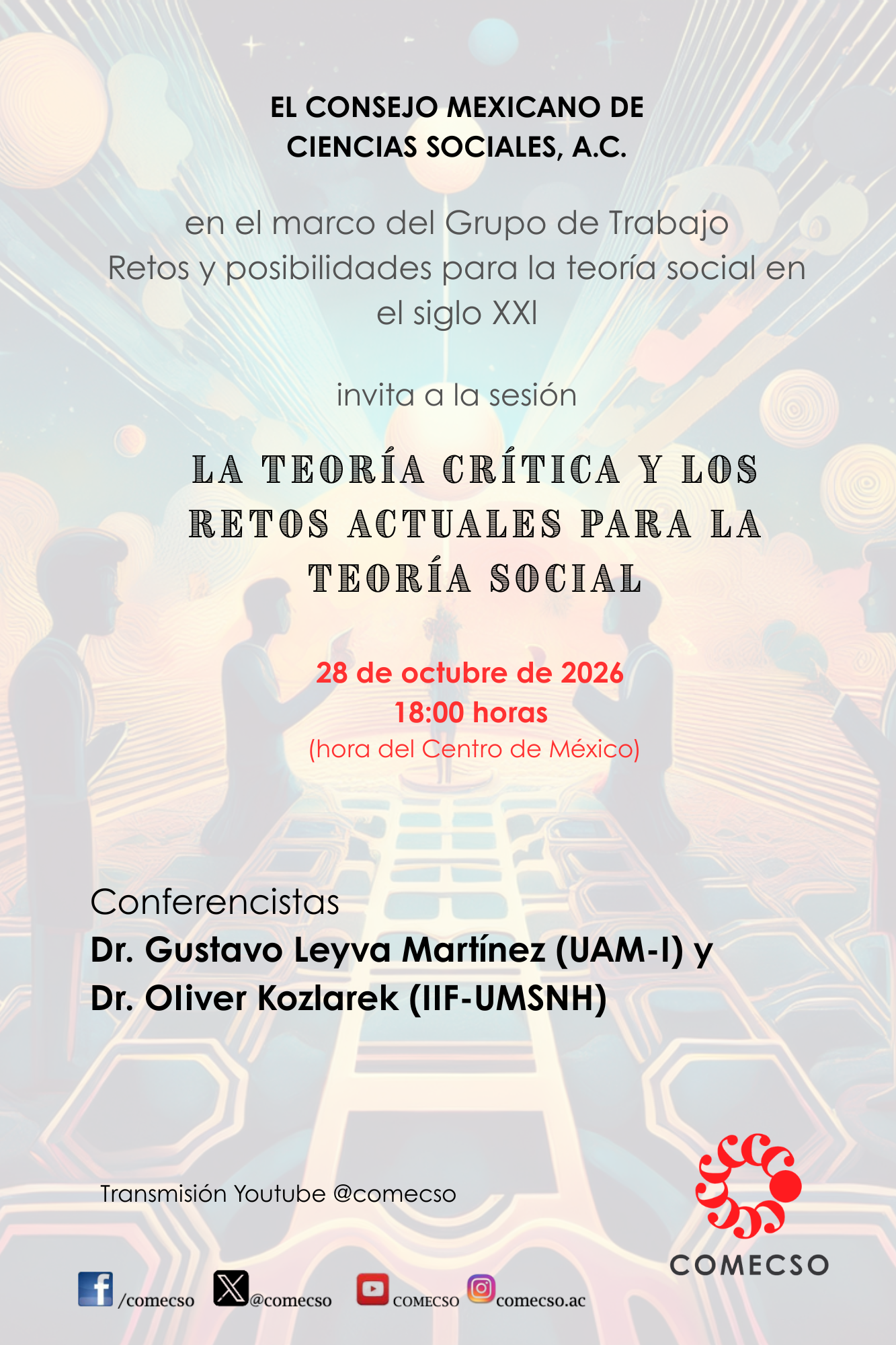
Conferencia La Teoría crítica y los retos actuales para la teoría social
Alejandra Valdés Teja - Oct 07, 2026El Grupo de Trabajo Retos y posibilidades para la teoría social en el siglo XXI invita a conferencia La Teoría crítica…
Talleres virtuales
Laura Gutiérrez - Sep 17, 2026Con el objetivo de transmitir conocimientos y desarrollar habilidades específicas que contribuyan a la práctica docente, la investigación, la innovación,…
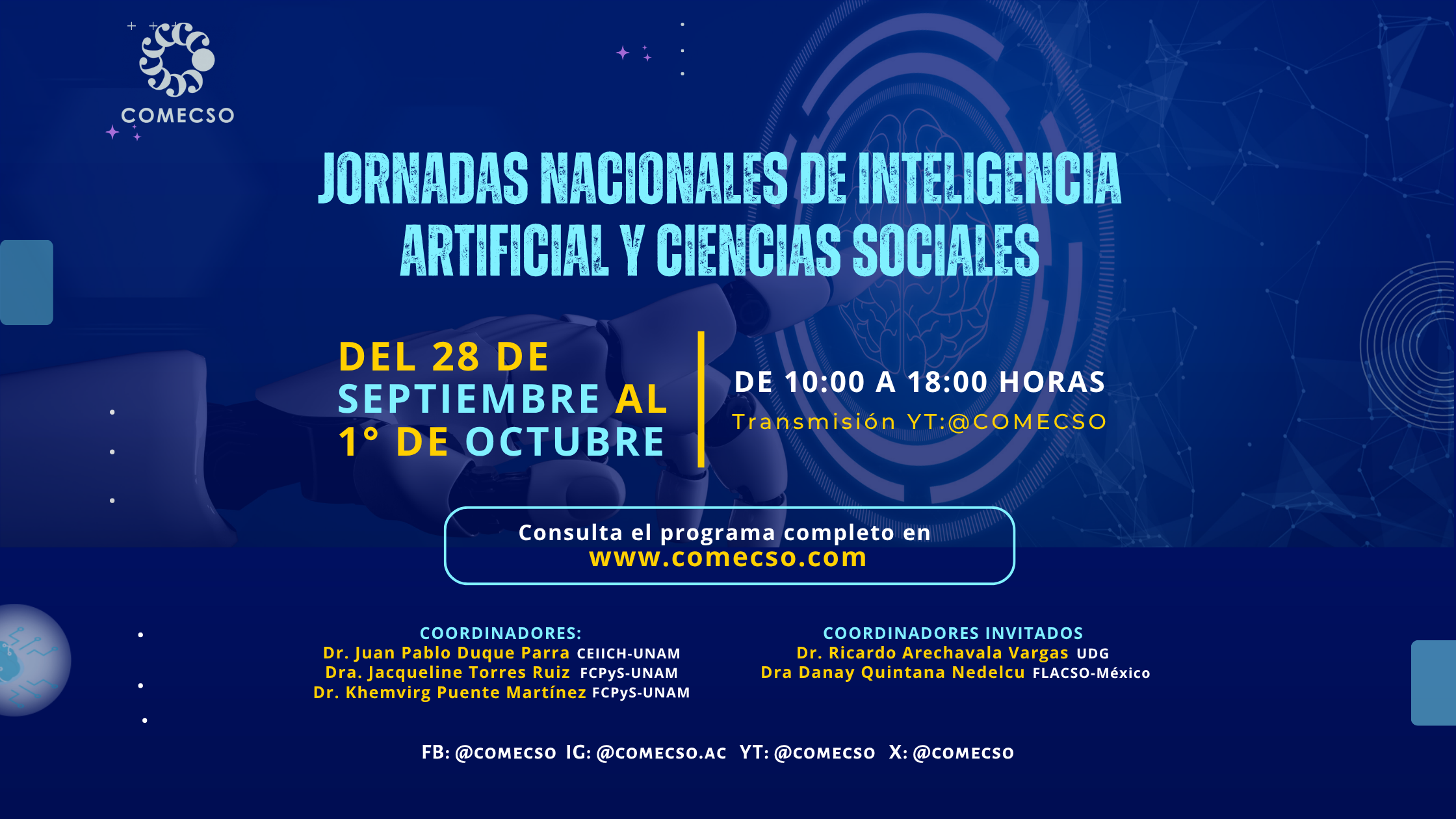
Horizontes de investigación sobre la Inteligencia Artificial desde las Ciencias Sociales
comecso - Sep 14, 2026Coords. Juan Pablo Duque, Khemvirg Puente y Jacqueline Torres-Ruiz Objetivos: Invitar a especialistas de todas las disciplinas de las Ciencias…
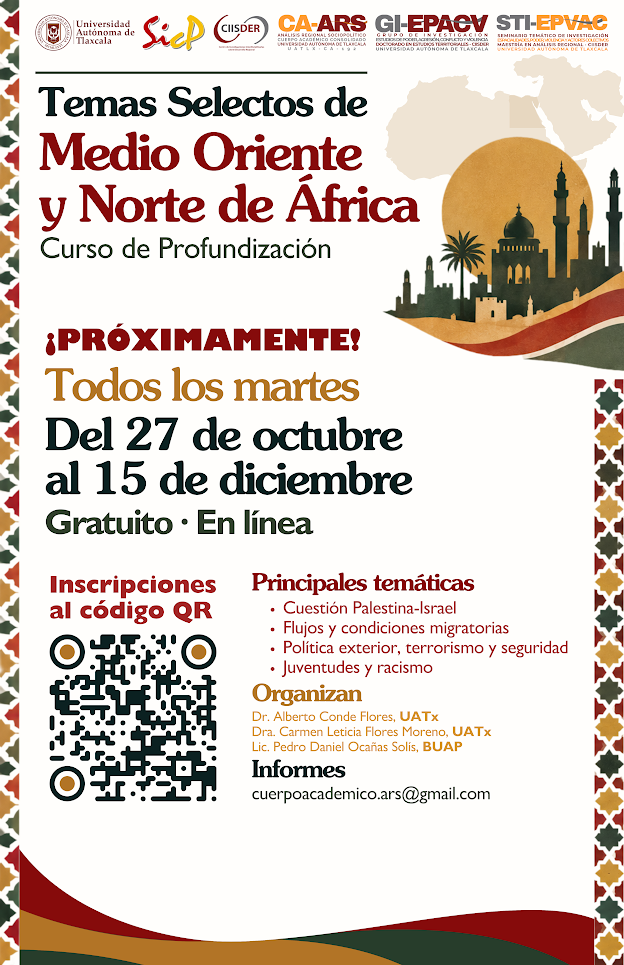
🌍 Temas selectos de Medio Oriente y Norte de África. Curso de profundización
Alejandra Valdés Teja - Oct 16, 2026El Cuerpo Académico Análisis Regional Sociopolítico (CIISDER-UATx) invita a este curso gratuito con especialistas de México, España y Emiratos Árabes…
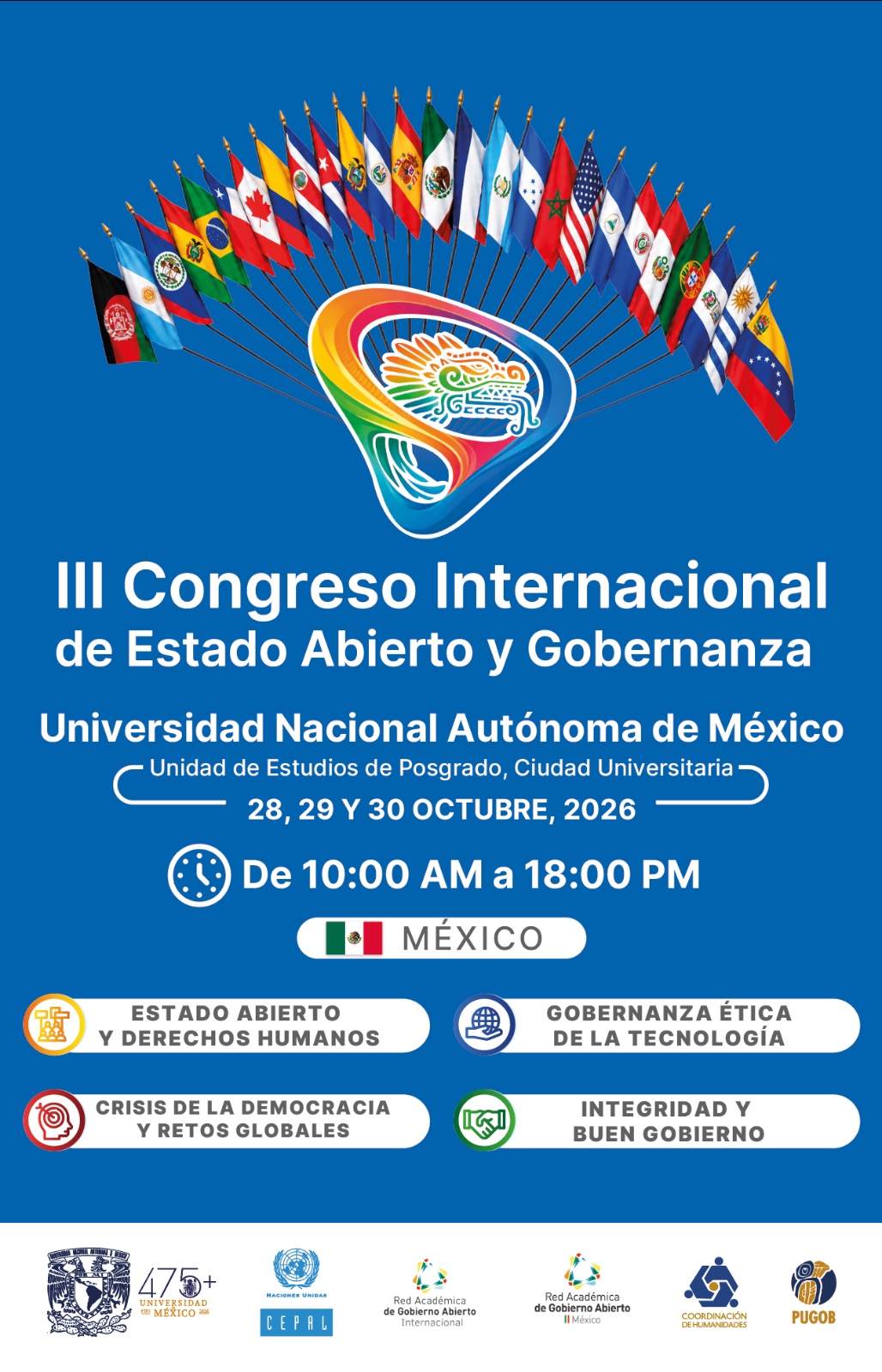
III Congreso internacional de Estado Abierto y Gobernanza
Alejandra Valdés Teja - Oct 16, 202628,29 y 30 de octubre de 10:00 a 18:00 horas. Unidad de Posgrado, Ciudad Universitaria.

Red de cuidados. Avistamiento y dibujo de cuidados interespecie
Alejandra Valdés Teja - Oct 16, 2026Taller organizado en el marco del Mes de los cuidados Red de cuidados. Avistamiento y dibujo de cuidados interespecie 21 de…
Grupos de trabajo
Conferencia La Teoría crítica y los retos actuales para la teoría social
Alejandra Valdés Teja - Oct 07, 2026Horizontes de investigación sobre la Inteligencia Artificial desde las Ciencias Sociales
comecso - Sep 14, 2026Destacadas
El programa de Educación continua del COMECSO invita a sus talleres
Alejandra Valdés Teja - Oct 15, 2026Conferencia La Teoría crítica y los retos actuales para la teoría social
Alejandra Valdés Teja - Oct 07, 2026Horizontes de investigación sobre la Inteligencia Artificial desde las Ciencias Sociales
comecso - Sep 14, 2026🌍 Temas selectos de Medio Oriente y Norte de África. Curso de profundización
Alejandra Valdés Teja - Oct 16, 2026