Semantics of Violence


Semantics of Violence
Revolt and Political Assassination in Mexico
Nelson Arteaga Botello
Foreword
Semantics of Violence is a superbly argued work of theoretical sociology and, at the same time, a subtle, deftly accomplished work of empirical hermeneutics.
Theoretically, Nelson Arteaga takes Civil Sphere Theory (CST) in new directions. In the decade and half after I introduced the model, social theorists and social scientists around the world have been engaged in a series of individual and collaborate efforts to elaborate and revise CST, demonstrating how the model’s abstract tenets can be separated from the particular empirical contexts—mostly American and European—to which they were first applied. One strain of this theorizing, pioneered by Arteaga and Carlo Tognato, has developed the idea that in Latin American nations civil codes have long been powerfully challenged by competing and antidemocratic patrimonial codes, parties, and institutions. In Semantics of Violence, Arteaga brilliantly fills out this idea. He provides a new sociological history of Mexico’s key political and communicative institutions, one that zooms in on the year 1994, when both patrimonial and civil elements responded to conspicuous and potentially highly destabilizing episodes of violence.
Counter-intuitively, Arteaga demonstrates that the patrimonial strain in Mexico, despite its decidedly anti-democratic character, was as critical of these violent eruptions as were the nation’s emerging democratic traditions and institutions. Indeed, this book has something very distinctive to say about how such deeply antagonistic culture structures as patrimonialism and democracy can become intertwined in a manner that, rather than deepening social polarization, contribute to institutional stability and the gossamer threads of civil comity. This truly unexpected insight is vitally important to a better understanding of the dangerously polarized conditions that civil spheres around the world experience today.
But Semantics of Violence is not just an original theoretical investigation. It is also an empirical tour de force that displays a high level of hermeneutic skill. Arteaga shows that violence is more than a heinous physical action, and that it must be made meaningful before it can exert social force. Examining thousands of social communications, Arteaga subjects them to a theoretically informed interpretation and elegantly reconstructs their collective meanings. He is able to create a literary plot that mirrors and sensitizes the reader to the social plots he is interpreting and explaining. Arteaga’s narrative also establishes suspense for the reader as the social scientific story unfolds. Rhetoric and reality intertwine; this book makes a compelling “read.”
Semantics of Violence makes an important contribution not only to CST but to cultural sociology tout court. It will be of great interest to CST theorists around the world and to all those who are interested in the theory and methods of cultural sociology. The book is also a major contribution to understanding the civil sphere in Mexico, and how its basic communicative and regulative institutions have exerted increasing civil power over the course of recent decades.
Lillian Chavenson Saden Professor of Sociology
Yale University, New Haven, CT, USA
Center for Cultural Sociology, Yale University
New Haven, CT, USA
Jeffrey C. Alexander
eBook


Te puede interesar
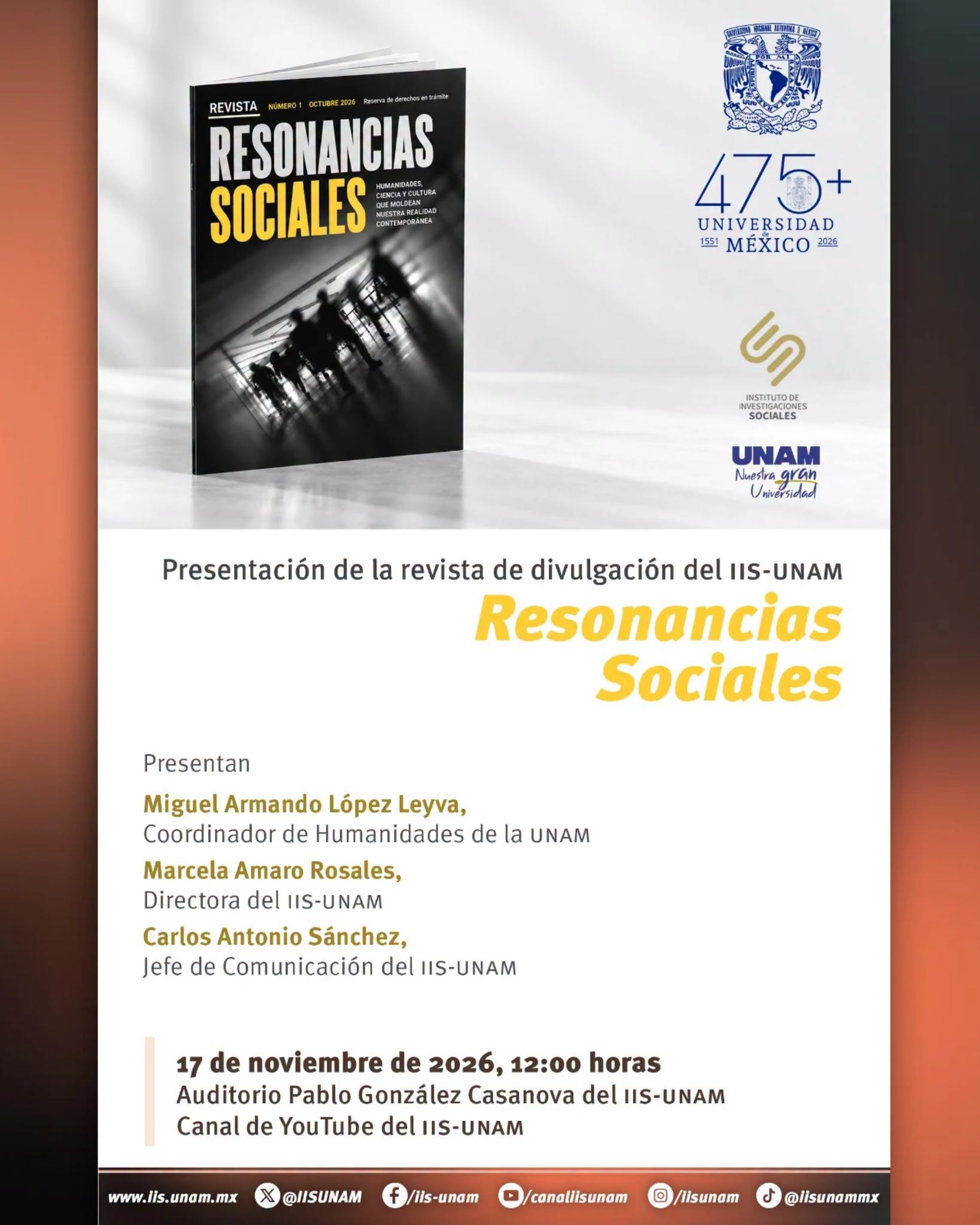
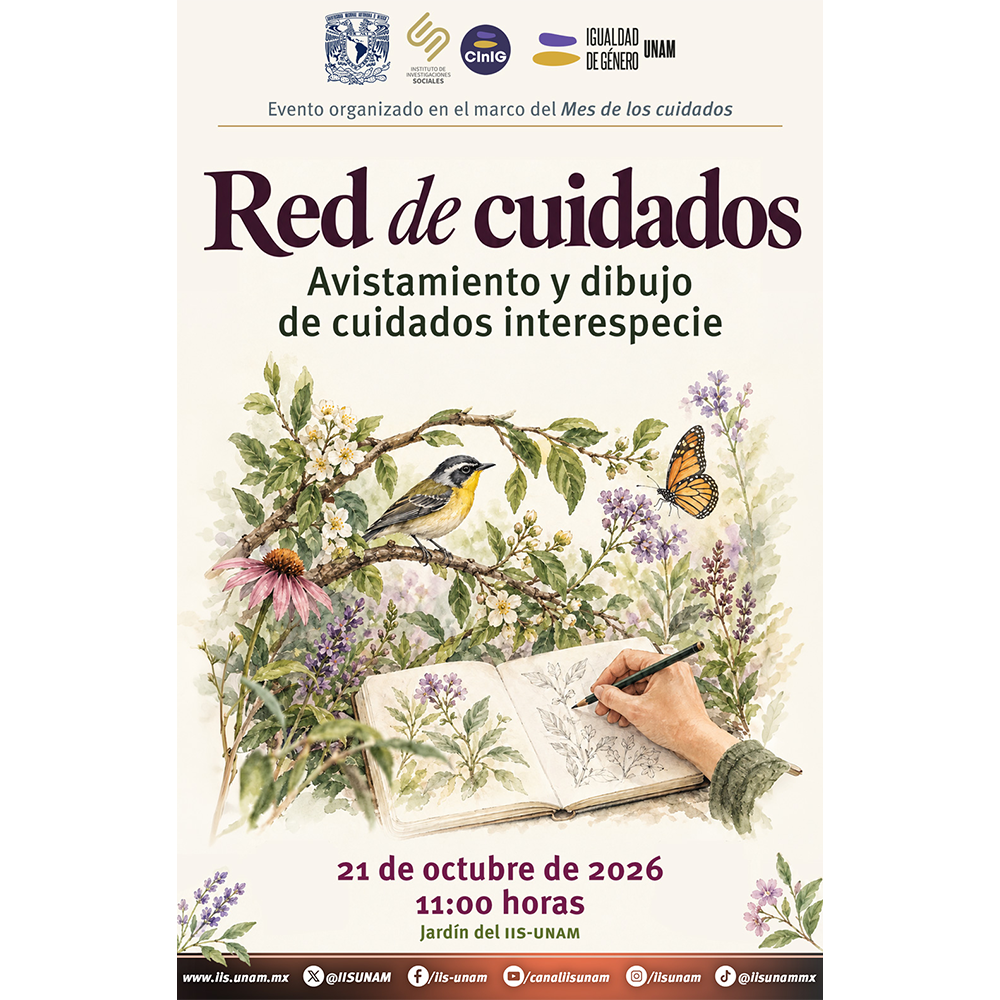
presentación de Resonancias Sociales, revista de divulgación del Instituto de Investigaciones Sociales de la UNAM
comecso.merida - Oct 21, 2026El COMECSO invita a la presentación de Resonancias Sociales, revista de divulgación del Instituto de Investigaciones Sociales de la UNAM:…
Talleres virtuales
Laura Gutiérrez - Sep 17, 2026Con el objetivo de transmitir conocimientos y desarrollar habilidades específicas que contribuyan a la práctica docente, la investigación, la innovación,…

Seminario Metrópolis e Innovación Urbana Ciclo «La acción metropolitana en México. Perspectivas, tendencias y desafíos» Sesión: Zona Metropolitana de Mérida
comecso.merida - Nov 05, 2026Seminario Metrópolis e Innovación Urbana Ciclo «La acción metropolitana en México. Perspectivas, tendencias y desafíos» Sesión: Zona Metropolitana de Mérida…
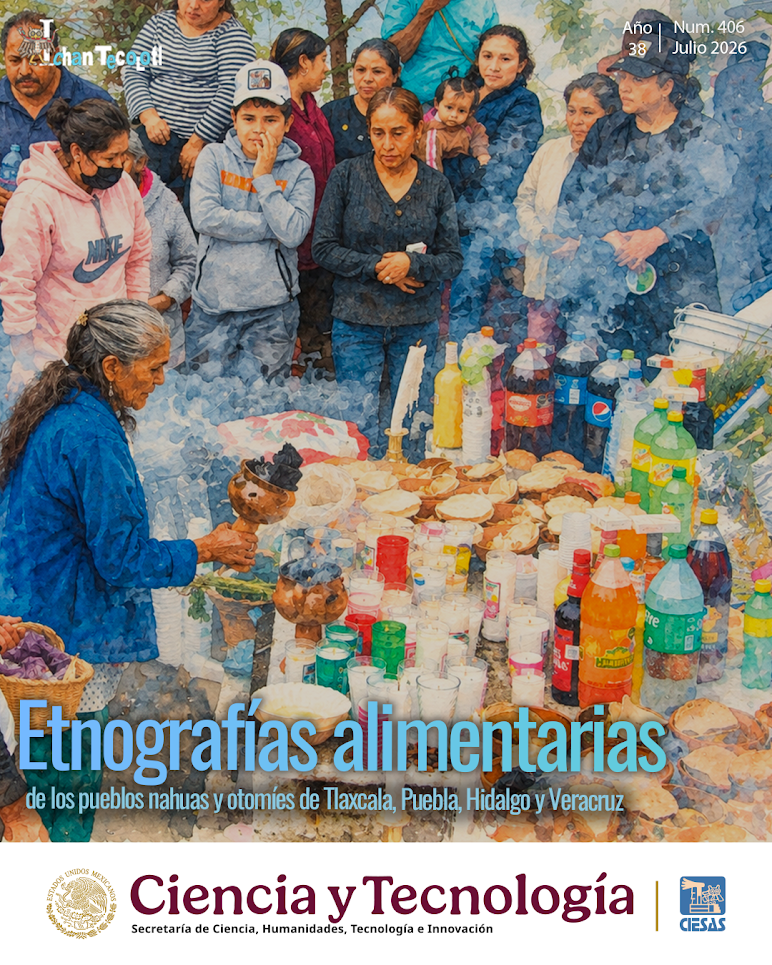
Etnografías alimentarias de los pueblos nahuas y otomíes de Tlaxcala, Puebla, Hidalgo y Veracruz
comecso.merida - Nov 04, 2026Ichan Tecolotl núm. 406: Etnografías alimentarias Ya está disponible el número 406 de Ichan Tecolotl, revista de divulgación del Centro…
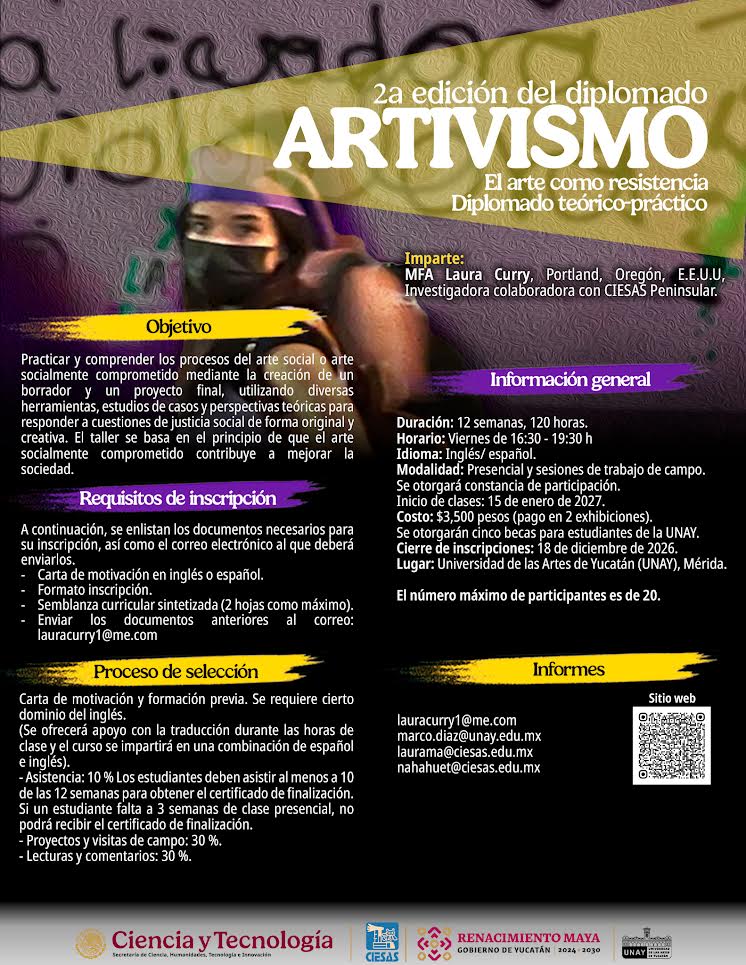
Diplomado «Artivismo. El arte como resistencia», 2ª edición
comecso.merida - Nov 04, 2026El CIESAS Peninsular y la Universidad de las Artes de Yucatán (UNAY) invitan a la segunda edición del diplomado teórico-práctico…
Grupos de trabajo
Seminario Metrópolis e Innovación Urbana Ciclo «La acción metropolitana en México. Perspectivas, tendencias y desafíos» Sesión: Zona Metropolitana de Mérida
comecso.merida - Nov 05, 2026
Conferencia magistral «Etnografías móviles, relacionales y situadas: Hacia nuevas formas de comprender el habitar futuro en territorios complejos»
comecso.merida - Oct 19, 2026Destacadas
presentación de Resonancias Sociales, revista de divulgación del Instituto de Investigaciones Sociales de la UNAM
comecso.merida - Oct 21, 2026Etnografías alimentarias de los pueblos nahuas y otomíes de Tlaxcala, Puebla, Hidalgo y Veracruz
comecso.merida - Nov 04, 2026