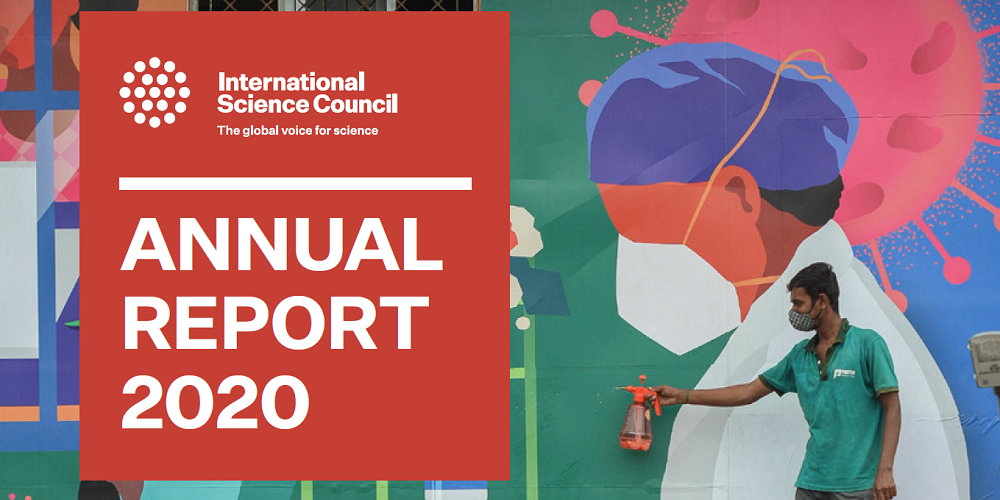
ISC Annual Report 2020

The vision of the International Science Council is to advance science as a global public good. Scientific knowledge, data and expertise must be universally accessible and their benefits universally shared. The practice of science must be inclusive and equitable, as should opportunities for scientific education and capacity development.
The International Science Council (ISC) is a non-governmental organization with a unique global membership that brings together 40 international scientific Unions and Associations and over 140 national and regional scientific organizations including Academies and Research Councils.
The Report is also available as a PDF download.
A message from the President and CEO
Daya Reddy and Heide Hackmann
2020 was a year of unprecedented global disruption. Over the past twelve months, the COVID-19 pandemic has turned personal and professional lives upside down, and resulted in tragic loss of life. The events of the past year have exposed and, in some cases, amplified divisions and fault lines in our societies, and have thrown a spotlight on science in ways that are unparalleled in our lifetimes. The role of scientists in society – both in providing advice to governments and in promoting public understanding of science – has been scrutinized as never before. This comes with profound challenges, but also provides opportunities.
Faced with a novel coronavirus, the scientific community stepped up to the challenge of rapidly building the knowledge base on the virus and how to respond, developing a vaccine in record time. The pandemic has revealed new forms of solidarity and inventiveness in the scientific community, underpinned by international scientific collaboration, scientific freedom and open science. Inter- and transdisciplinary approaches, which draw on knowledge and expertise from across the natural and social sciences, as well as from policy and wider publics, have shown their value in helping to understand the measures required to help to contain the pandemic and limit its effects.
For the International Science Council, which is uniquely positioned as a convenor of the scientific community and a bridge to different stakeholder communities, the pandemic has forced us to reflect on how the Council and its Members could best support those on the frontlines of pandemic response. Recognizing the extent of the challenge and the crucial role of science, the ISC launched an online COVID-19 Global Science Portal to provide access to relevant information from ISC Members, partners and affiliated programmes. The ISC’s community of Members and wider networks responded energetically, sharing hundreds of initiatives and publications that were showcased through the portal.
Responding to the pandemic has forced the ISC to rethink the way it interacts with ISC Members and partners, mirroring the kinds of disruption to work practices that have occurred across science institutions. It has been a challenging year, but has also resulted in great creativity. Now we must ask whether innovations born of necessity in 2020 – such as greater use of virtual conferencing tools or journal paywalls being lowered – should be sustained over the longer term, and what the ‘new normal’ for scientific workplaces and policy for science will look like.
The extent of the disruption, touching all aspects of our lives, highlights the need for an integrated, interdisciplinary response to the crisis. As we write this letter in June 2021, the pandemic is a long way from being over. As well as responding to the immediate threat, decisions to be made in the coming year need to be informed by mid- and long-term thinking that can show the way forward to achieving a fair and optimistic end to the pandemic. The ISC has launched a COVID-19 scenarios project to support this goal.
We have also been compelled to review our thinking and approaches to the global challenges captured in Agenda 2030, and the threats associated with climate change. The urgency that has characterized responses to the pandemic has been a lesson in energetic response, with calls to display the same levels of commitment and resolve in addressing the range of global challenges. The ISC has taken this call to heart in determining its actions over the short to medium term.
Notwithstanding the threat posed by the pandemic to derail the Council’s strategic priorities, the ISC has over the last year made considerable progress in pursuing programmes in areas including those associated with the digital revolution, the interfaces between science, policy and the public, and in enabling effective global responses to the imperatives of open science.
As the world seeks to recover, with less than a decade to go to reach the goals of Agenda 2030, this is a crucial moment to redouble our efforts to support societies in transforming towards a more equitable, more sustainable future. Realizing these kinds of transformations will require systemic change, and for scientists to work closely with different stakeholder communities. For the ISC, it is a timely moment to reflect on all of our ongoing projects and to explore new activities. The Council’s second General Assembly, which takes place in mid-October 2021, will provide an opportunity to discuss the new global landscape for science, and to think strategically about initiatives that can continue to build on the ISC’s work to advance science as a global public good. We’d like to thank all of the ISC’s Members and partners for their continued support, and look forward to working together in the future.
Daya Reddy, President
Heide Hackmann, Chief Executive Officer


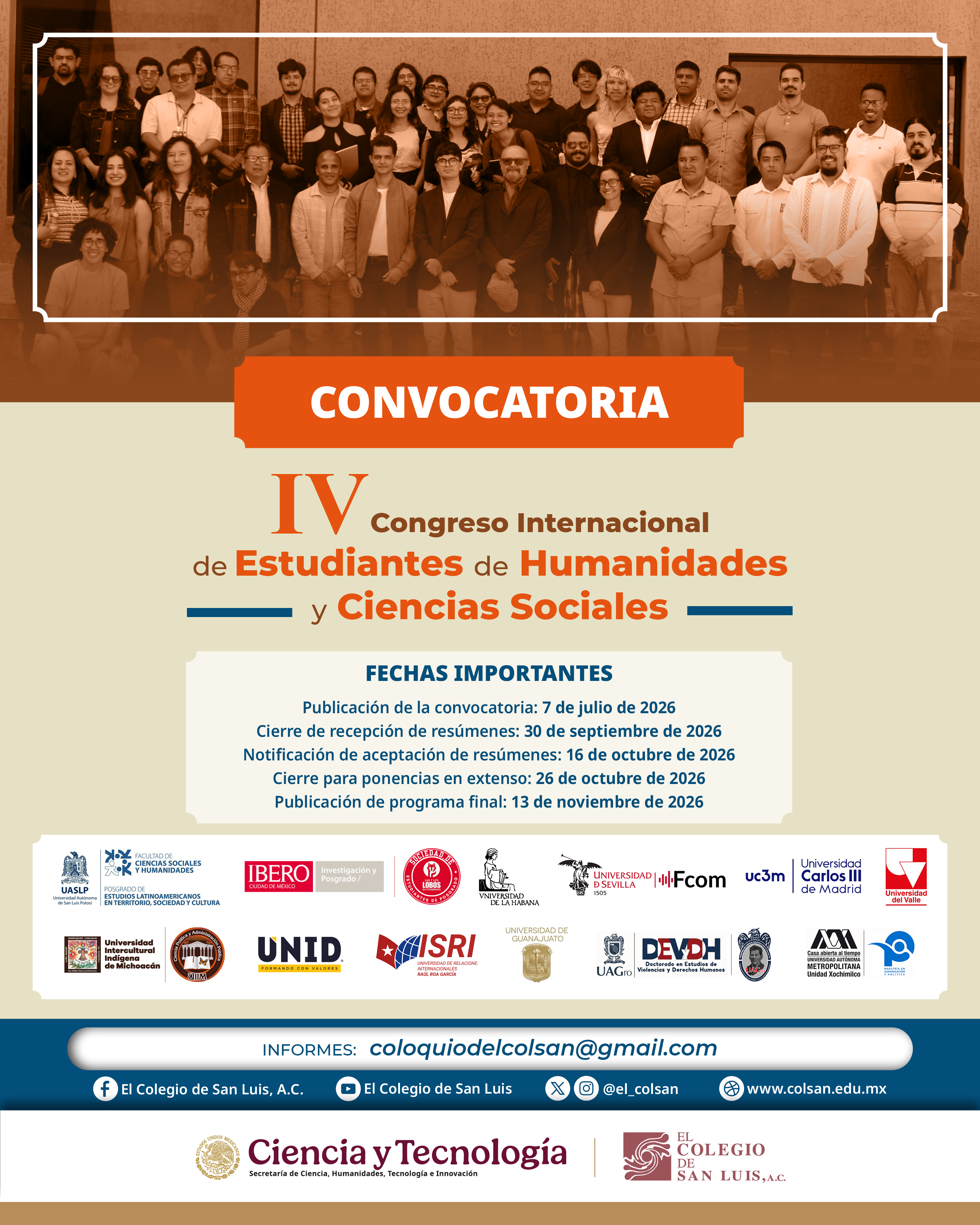
Te puede interesar
Talleres virtuales
Laura Gutiérrez - Sep 17, 2026Con el objetivo de transmitir conocimientos y desarrollar habilidades específicas que contribuyan a la práctica docente, la investigación, la innovación,…
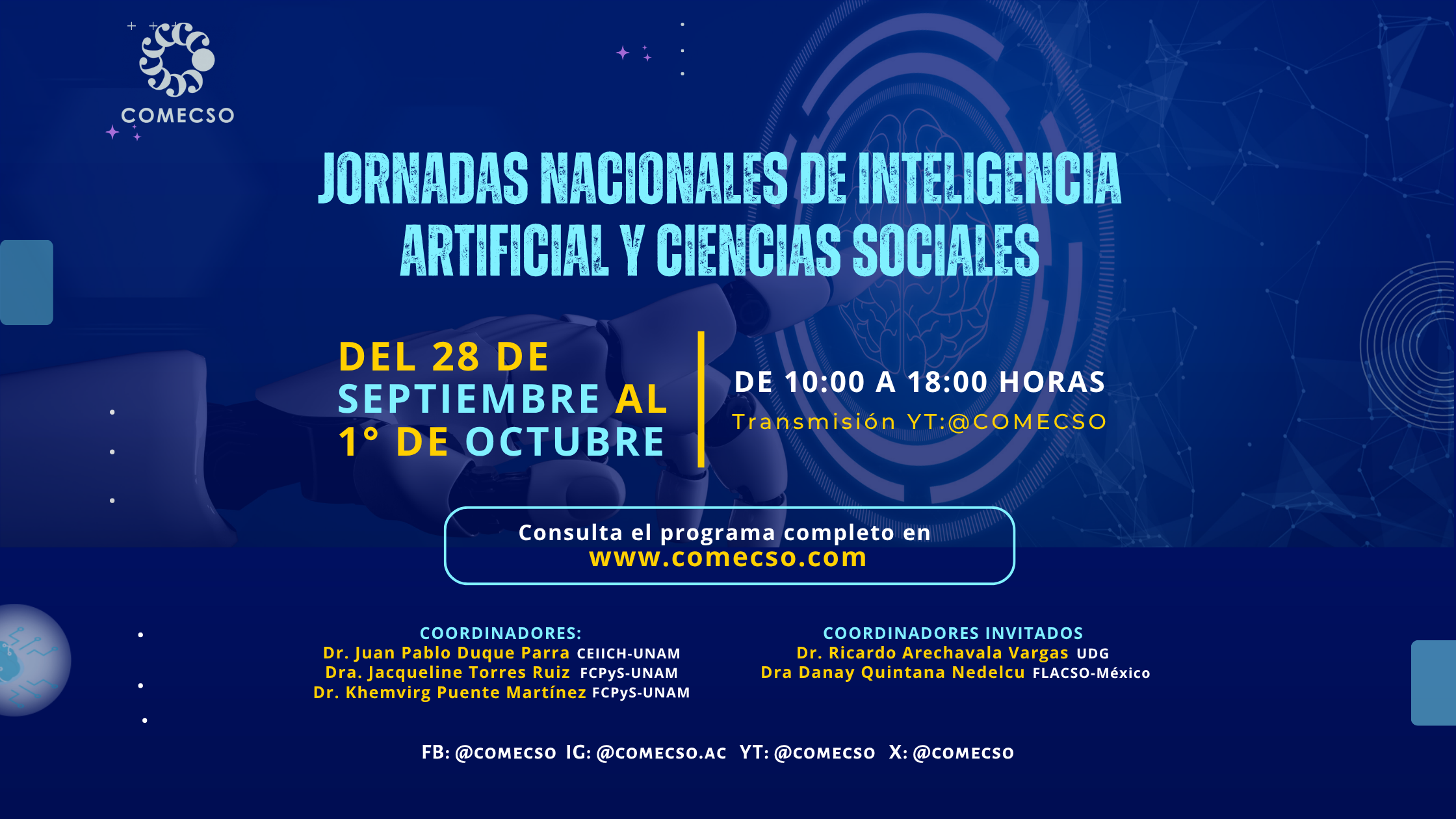
Horizontes de investigación sobre la Inteligencia Artificial desde las Ciencias Sociales
comecso - Sep 14, 2026Coords. Juan Pablo Duque, Khemvirg Puente y Jacqueline Torres-Ruiz Objetivos: Invitar a especialistas de todas las disciplinas de las Ciencias…
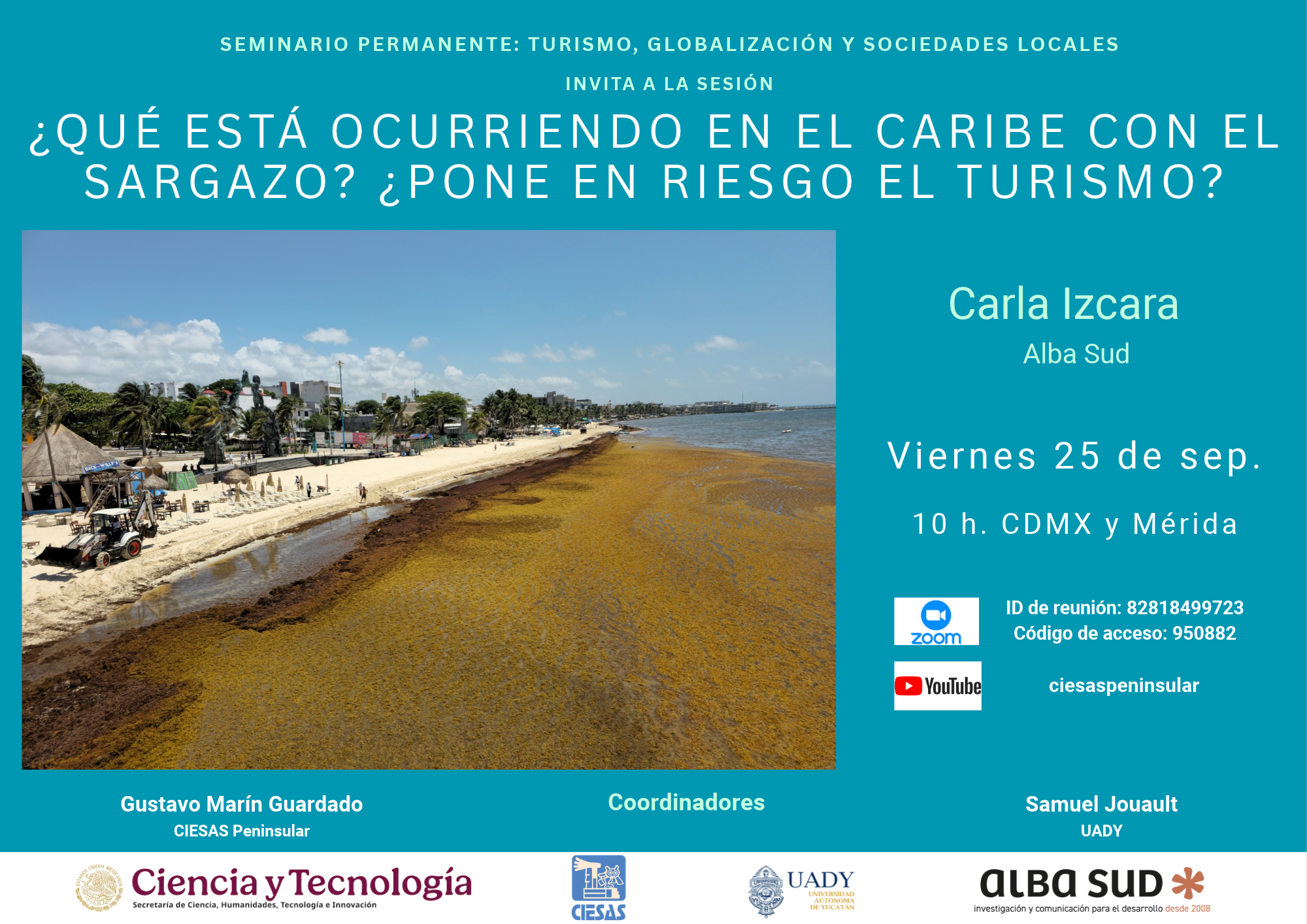
¿Qué esta ocurriendo en el Caribe con el sargazo?
Laura Gutiérrez - Sep 21, 2026Centro de Investigaciones y Estudios Superiores en Antropología Social Seminario Permanente: Turismo, globalización y sociedades locales Tenemos el gusto de invitarles…
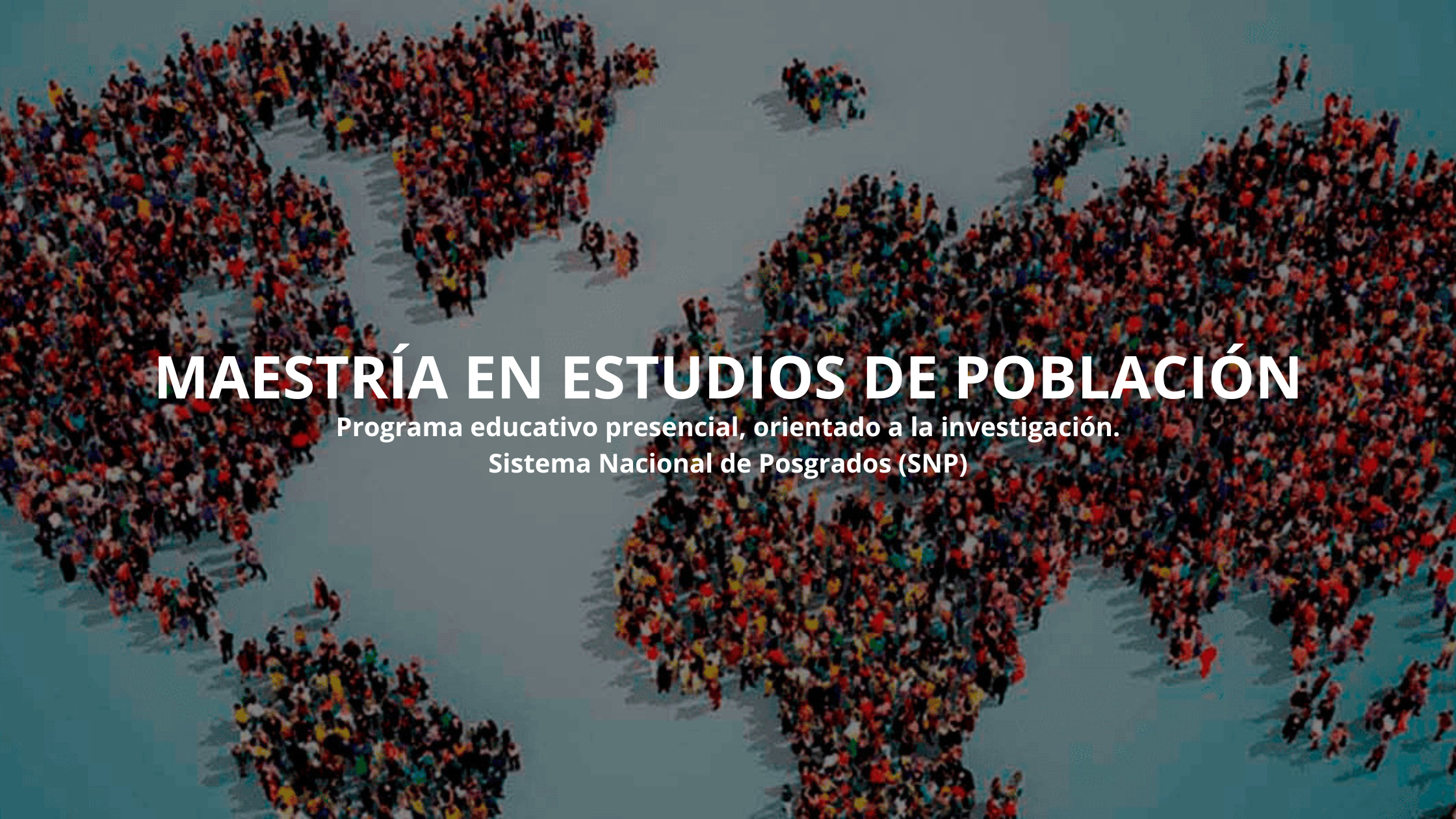
Maestría en Estudios de Población
Laura Gutiérrez - Sep 18, 2026Universidad Autónoma del Estado de Hidalgo, Instituto de Ciencias Sociales y Humanidades Maestría en Estudios de Población Para ingresar a…
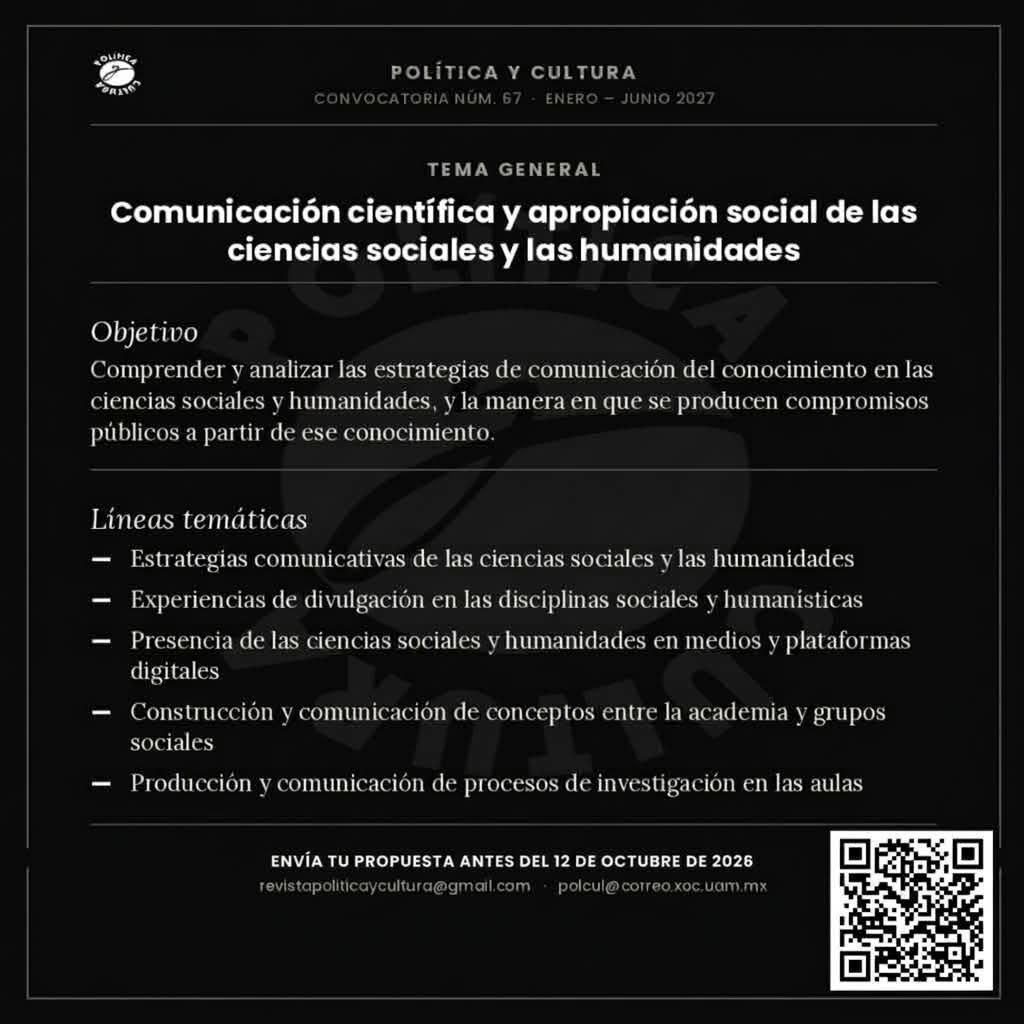
Comunicación científica y apropiación social de las ciencias sociales y las humanidades
Laura Gutiérrez - Sep 18, 2026Universidad Autónoma Metropolitana, Unidad Xochimilco Revista Política y Cultura El Comité Editorial de Política y Cultura convoca a investigadores e…
Grupos de trabajo
Horizontes de investigación sobre la Inteligencia Artificial desde las Ciencias Sociales
comecso - Sep 14, 2026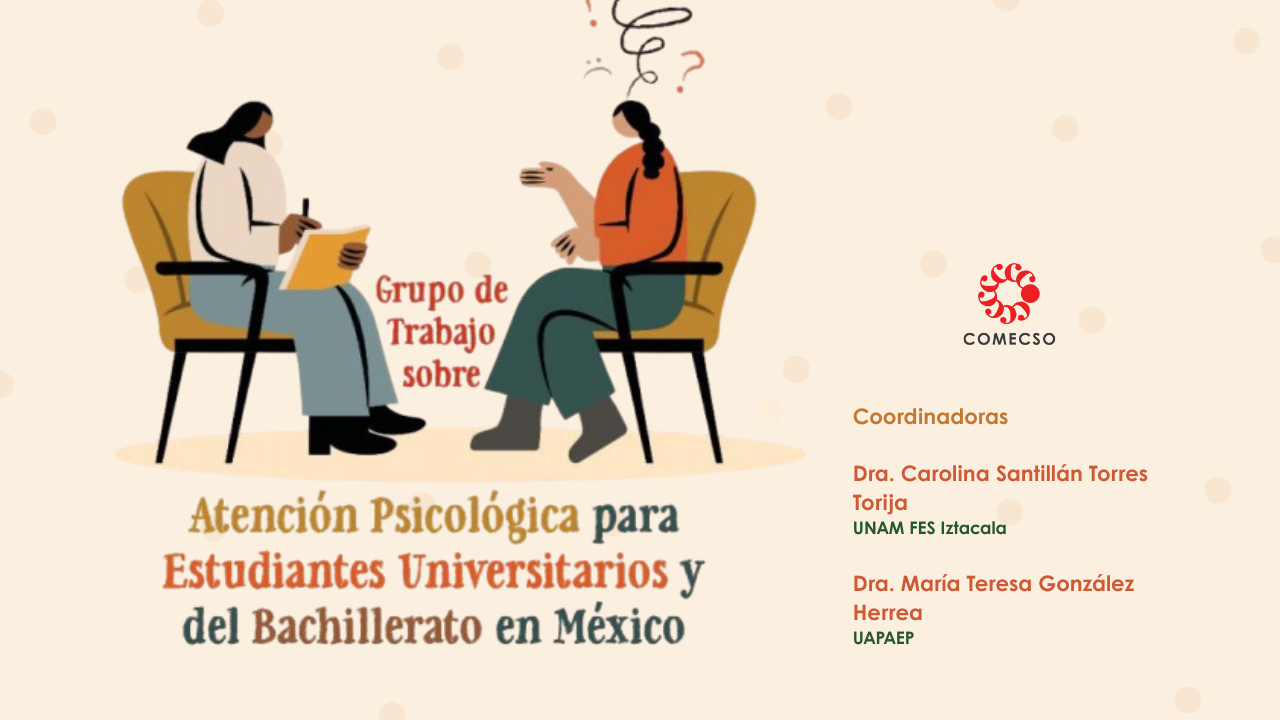
Atención Psicológica para estudiantes universitarios y del bachillerato
Laura Gutiérrez - Jul 27, 2026Destacadas
Horizontes de investigación sobre la Inteligencia Artificial desde las Ciencias Sociales
comecso - Sep 14, 2026